 Tahlia Tsama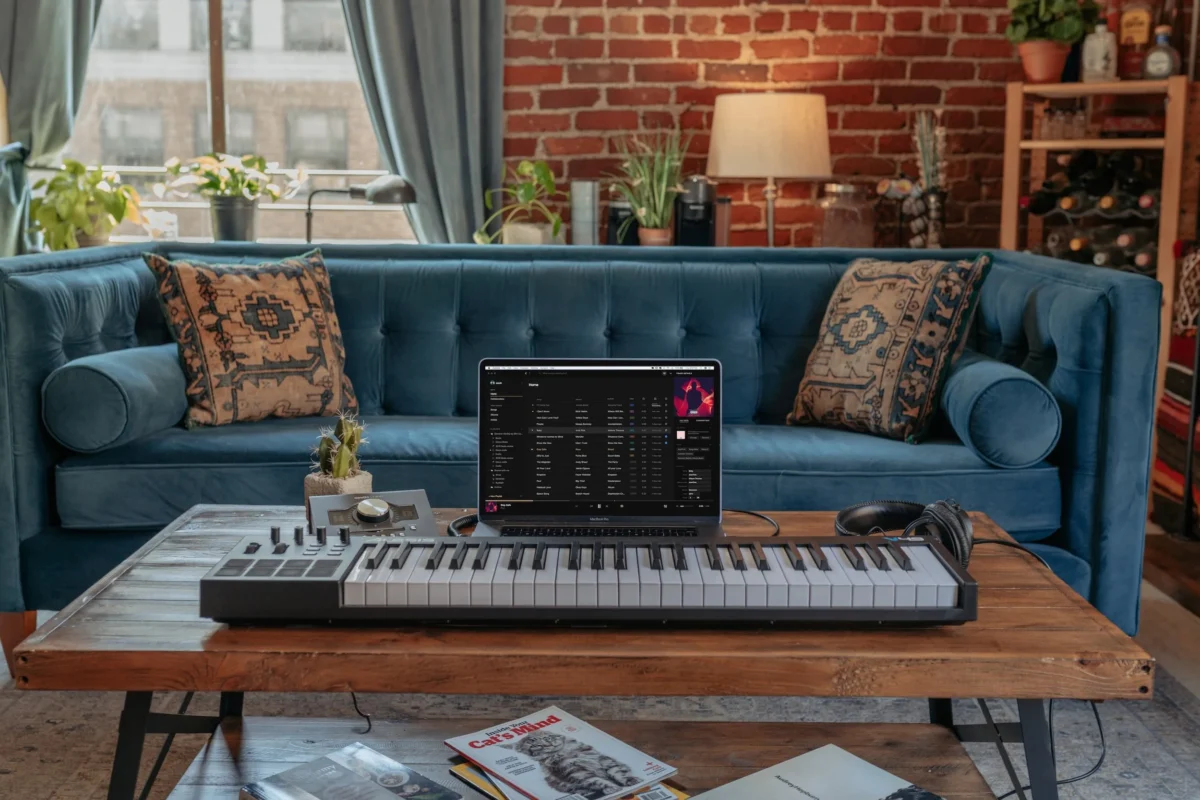
In today’s fast-evolving music landscape, creative workflows for modern musicians aren’t just helpful—they’re essential. With endless tools, platforms, and distractions, the real challenge isn’t inspiration—it’s channeling it effectively. This guide dives deep into powerful, practical workflows that help artists create smarter, faster, and more authentically than ever before.
1. Understanding Creative Workflows for Modern Musicians
The term ‘creative workflows for modern musicians’ refers to structured yet flexible processes that guide the journey from idea to finished music. Unlike rigid production pipelines, these workflows are designed to adapt to individual creativity, technological tools, and project goals. They blend inspiration with organization, ensuring that artists don’t just create—but create with purpose.
What Defines a Modern Musician’s Workflow?
Today’s musicians operate in a hybrid world: part artist, part entrepreneur, part technician. A modern workflow must accommodate this complexity. It’s not just about recording a song—it’s about ideation, collaboration, production, distribution, and audience engagement, all woven into a seamless process.
- Ideation and capture: How ideas are born and recorded, whether through voice memos, MIDI sketches, or field recordings.
- Production and arrangement: The technical phase where ideas are developed into full tracks using DAWs (Digital Audio Workstations), plugins, and virtual instruments.
- Collaboration and feedback: Leveraging cloud-based tools to work with producers, vocalists, or mix engineers remotely.
Why Traditional Methods Fall Short
Old-school workflows often assumed a linear path: write, record, mix, master. But in 2024 and beyond, creativity is non-linear. Artists sketch ideas on their phones during commutes, sample sounds from YouTube videos, or co-write with AI tools. Traditional studio-centric models can’t keep up with this fluidity.
“The best creative workflows for modern musicians don’t fight chaos—they harness it.” — Sarah Chen, Music Technologist & Producer
As noted by Berklee Online, modern music education now emphasizes workflow literacy as much as theory or performance.
2. The Role of Technology in Shaping Creative Workflows
Technology isn’t just a tool—it’s the backbone of contemporary music creation. From AI-powered assistants to cloud collaboration platforms, digital innovation has redefined what’s possible in creative workflows for modern musicians.
Digital Audio Workstations (DAWs) as Creative Hubs
DAWs like Ableton Live, FL Studio, and Logic Pro are no longer just recording software—they’re full-fledged creative ecosystems. They integrate MIDI sequencing, audio editing, virtual instruments, and even AI-driven mastering tools.
- Non-linear composition: Ableton’s Session View allows musicians to trigger loops and ideas freely, encouraging improvisation.
- Template-based workflows: Pre-built project templates save time and maintain consistency across tracks.
- Plugin integration: VSTs and AU plugins expand sonic possibilities, from analog emulations to experimental sound design.
Cloud Collaboration and Real-Time Feedback
Platforms like Splice, Soundtrap, and Audius enable musicians to share project files, stems, and feedback in real time. This is revolutionary for remote collaboration.
- Version control ensures everyone works on the latest iteration.
- Comment threads allow precise feedback on specific sections of a track.
- Cloud storage prevents data loss and enables access from any device.
This shift has made creative workflows for modern musicians more inclusive and agile, especially for indie artists without access to physical studios.
3. Building a Personalized Creative Workflow
One size does not fit all. The most effective creative workflows for modern musicians are deeply personal, reflecting individual habits, goals, and creative rhythms. Building one requires self-awareness and experimentation.
Mapping Your Creative Process
Start by documenting how you currently create. Ask yourself:
- When do I feel most inspired?
- What tools do I use at each stage?
- Where do I get stuck?
Use a journal or digital note-taking app to track your process over a week. Identify patterns—like writing melodies in the morning or editing at night. This becomes the foundation of your workflow.
Designing for Energy, Not Just Time
Traditional schedules focus on time blocks, but creative energy fluctuates. A smarter approach is to align tasks with mental states:
- High-energy periods: Tackle complex tasks like mixing or arranging.
- Low-energy periods: Handle admin, promotion, or light editing.
- Flow states: Protect these moments—turn off notifications and dive deep into creation.
As Cal Newport argues in Deep Work, focused, uninterrupted time is the key to high-quality output.
creative workflows for modern musicians – Creative workflows for modern musicians menjadi aspek penting yang dibahas di sini.
4. Integrating AI and Automation into Music Workflows
Artificial Intelligence is no longer science fiction—it’s a practical tool in creative workflows for modern musicians. From generating drum patterns to mastering tracks, AI is accelerating creativity while raising new questions about authorship and originality.
AI-Powered Composition Assistants
Tools like AIVA (Artificial Intelligence Virtual Artist) and Amper Music (now part of Shutterstock) allow musicians to generate original compositions based on mood, genre, and tempo. These aren’t replacements for human creativity—they’re collaborators.
- Generate backing tracks for songwriting.
- Create reference arrangements to inspire new directions.
- Fill in missing parts (e.g., string sections) when live players aren’t available.
Automated Mixing and Mastering
Services like LANDR and iZotope’s Ozone use machine learning to analyze and enhance tracks. While not a substitute for professional engineers, they offer fast, affordable mastering for demos and indie releases.
- Instant mastering with genre-specific presets.
- AI-driven EQ and compression suggestions.
- Batch processing for EPs or albums.
These tools free up time, allowing musicians to focus on what they do best: creating.
5. Collaborative Workflows in the Digital Age
Music has always been collaborative, but digital tools have transformed how artists work together. Creative workflows for modern musicians now include remote co-writing, virtual jam sessions, and cross-border production teams.
Remote Co-Writing and Vocal Recording
Platforms like Vocalizr connect artists with session singers worldwide. Similarly, Splice’s collaboration features allow real-time project sharing.
- Send a beat to a vocalist in London and get vocals back in 24 hours.
- Use Zoom or Riverside.fm for live co-writing sessions with screen sharing.
- Version history ensures no idea is lost.
Decentralized Music Production with Blockchain
Emerging platforms like Audius and Opulous use blockchain to enable transparent royalty splits and ownership tracking. This is especially valuable in collaborative workflows where multiple contributors are involved.
- Smart contracts automatically distribute royalties.
- Immutable logs track who contributed what.
- Artists retain control without relying on traditional labels.
This transparency builds trust and streamlines collaboration, making it easier to scale creative workflows for modern musicians across global networks.
6. Overcoming Creative Blocks with Structured Workflows
Even the most talented musicians face creative blocks. The difference? Those with strong creative workflows for modern musicians have systems to push through stagnation.
The ‘Idea Bank’ Method
Maintain a digital repository of half-finished ideas, voice memos, chord progressions, and lyrical fragments. Use tools like Notion, Evernote, or even a dedicated DAW project to store them.
- Review the bank weekly for inspiration.
- Combine unrelated ideas to spark new concepts.
- Tag entries by mood, genre, or instrument for easy retrieval.
This turns creative blocks into opportunities for remixing and reimagining.
Constraint-Based Creativity
Paradoxically, limitations boost creativity. Try these exercises:
- Write a song using only three chords.
- Create a track with sounds recorded on your phone.
- Compose a piece in 30 minutes or less.
As Brian Eno’s Oblique Strategies cards demonstrate, constraints force innovation. Integrating these into your workflow keeps creativity flowing even when inspiration doesn’t.
7. Sustainable Habits for Long-Term Creative Success
Creative workflows for modern musicians aren’t just about output—they’re about sustainability. Without healthy habits, even the best systems will burn out.
creative workflows for modern musicians – Creative workflows for modern musicians menjadi aspek penting yang dibahas di sini.
Balancing Creation and Consumption
Consuming music is essential for growth, but passive listening can drain creative energy. Be intentional:
- Dedicate time to active listening—analyze structure, production, and lyrics.
- Follow curated playlists or newsletters like Music Business Worldwide for industry insights.
- Limit algorithm-driven streaming to avoid creative homogenization.
Mental Health and Creative Flow
The pressure to constantly produce can lead to anxiety and burnout. Sustainable workflows include mental health practices:
- Regular breaks using the Pomodoro Technique (25 minutes work, 5 minutes rest).
- Mindfulness or meditation to clear mental clutter.
- Setting realistic goals—focus on progress, not perfection.
As psychologist Mihaly Csikszentmihalyi found, flow states occur when challenge and skill are balanced—too much pressure kills creativity.
8. Case Studies: How Top Artists Use Creative Workflows
Real-world examples reveal how elite musicians apply creative workflows for maximum impact. Let’s examine three distinct approaches.
Billie Eilish and Finneas: The Bedroom Studio Revolution
Billie Eilish and her brother Finneas created Grammy-winning music from a home studio using Logic Pro and minimal gear. Their workflow emphasizes intimacy and experimentation.
- Write and record vocals in a closet for natural sound dampening.
- Use everyday objects as percussion (e.g., crumpling paper, tapping walls).
- Iterate endlessly—sometimes recording 50 takes to find the perfect vocal texture.
Their success proves that creative workflows for modern musicians don’t require expensive studios—just vision and consistency.
Flume: Embracing Chaos and Digital Experimentation
Australian producer Flume is known for his glitchy, unpredictable sound. His workflow thrives on digital chaos:
- Uses granular synthesis and time-stretching to warp samples.
- Imports video game sounds and field recordings into Ableton.
- Encourages happy accidents—saving every variation, even ‘mistakes.’
His approach shows that creative workflows can be messy—and still yield brilliance.
Imogen Heap: Open-Source Music and Mi.Mu Gloves
Imogen Heap pioneered the use of gesture-controlled music technology with her Mi.Mu Gloves. She also released her album Ellipse under a Creative Commons license, inviting fans to remix her work.
- Uses gloves to control parameters in real time during live performances.
- Shares stems openly, fostering a community-driven workflow.
- Leverages blockchain for transparent royalty distribution.
Her model redefines what creative workflows for modern musicians can be: open, interactive, and technologically immersive.
9. Future-Proofing Your Creative Workflow
The music industry evolves rapidly. To stay relevant, creative workflows for modern musicians must be adaptable and forward-thinking.
Embracing Cross-Platform Integration
The future belongs to interoperable tools. Musicians should prioritize software that integrates across devices and ecosystems:
- Apple’s Continuity features allow seamless transfer between iPhone, iPad, and Mac.
- Splice syncs samples and projects across Windows and macOS.
- Web-based DAWs like BandLab enable creation from any browser.
Reducing friction between tools ensures that inspiration isn’t lost in technical hurdles.
Preparing for AI and Machine Learning Advances
AI will continue to evolve—from generating lyrics to predicting hit songs. Musicians should:
creative workflows for modern musicians – Creative workflows for modern musicians menjadi aspek penting yang dibahas di sini.
- Experiment with AI tools without fear.
- Understand the ethics of AI-generated content.
- Use AI as a collaborator, not a crutch.
As MusicTech reports, the most successful artists of the next decade will be those who blend human emotion with machine efficiency.
10. Tools and Resources to Optimize Your Workflow
No creative workflow is complete without the right tools. Here’s a curated list to enhance your process.
Essential Software for Modern Musicians
Ableton Live: Ideal for electronic and experimental music.Learn more.Logic Pro X: Apple’s powerful DAW for songwriters and producers.Splice: Sample library and collaboration hub.Visit Splice.LANDR: AI mastering and distribution.Try LANDR.Hardware That Enhances Creativity
Audio Interfaces: Focusrite Scarlett series for clean recording..
MIDI Controllers: Akai MPK series for hands-on control.Portable Recorders: Zoom H5 for capturing ideas on the go.Headphones: Sony MDR-7506 for accurate monitoring.Learning Platforms and Communities
Berklee Online: Courses on production, songwriting, and workflow design.Explore programs.Reddit (r/WeAreTheMusicMakers): Community for sharing workflows and troubleshooting.YouTube Channels: MusicTech, Produce Like A Pro, and Andrew Huang offer free tutorials.What are creative workflows for modern musicians?.
Creative workflows for modern musicians are personalized systems that guide the process of music creation—from idea generation to distribution—using a blend of technology, collaboration, and structured habits to enhance productivity and creativity.
How can AI improve my music workflow?
AI can automate repetitive tasks like mastering, generate musical ideas, assist in mixing, and even help with lyric writing. Tools like LANDR, AIVA, and Splice’s AI features allow musicians to focus more on creative decisions and less on technical execution.
What’s the best DAW for beginners?
For beginners, FL Studio and GarageBand (for Mac users) are highly recommended due to their user-friendly interfaces and extensive tutorial support. Ableton Live Intro is also a great entry point for those interested in electronic music.
How do I collaborate remotely with other musicians?
Use cloud-based platforms like Splice, Soundtrap, or Audius to share project files. Combine these with communication tools like Zoom or Discord for real-time feedback and virtual jam sessions.
Can I build a workflow without expensive gear?
Absolutely. Many successful artists, like Billie Eilish, started with minimal equipment. A laptop, free DAW (like Cakewalk or BandLab), and a decent microphone are enough to begin. Focus on creativity, not cost.
Mastering creative workflows for modern musicians is no longer optional—it’s the foundation of sustainable artistic success. From leveraging AI and cloud collaboration to designing personalized systems that honor your creative rhythm, the tools and strategies are available to every artist. The key is to start, experiment, and refine. Whether you’re a bedroom producer or a touring artist, a well-crafted workflow turns inspiration into impact. Embrace the chaos, harness the technology, and let your music flow.
creative workflows for modern musicians – Creative workflows for modern musicians menjadi aspek penting yang dibahas di sini.
Further Reading: