
 Tahlia Tsama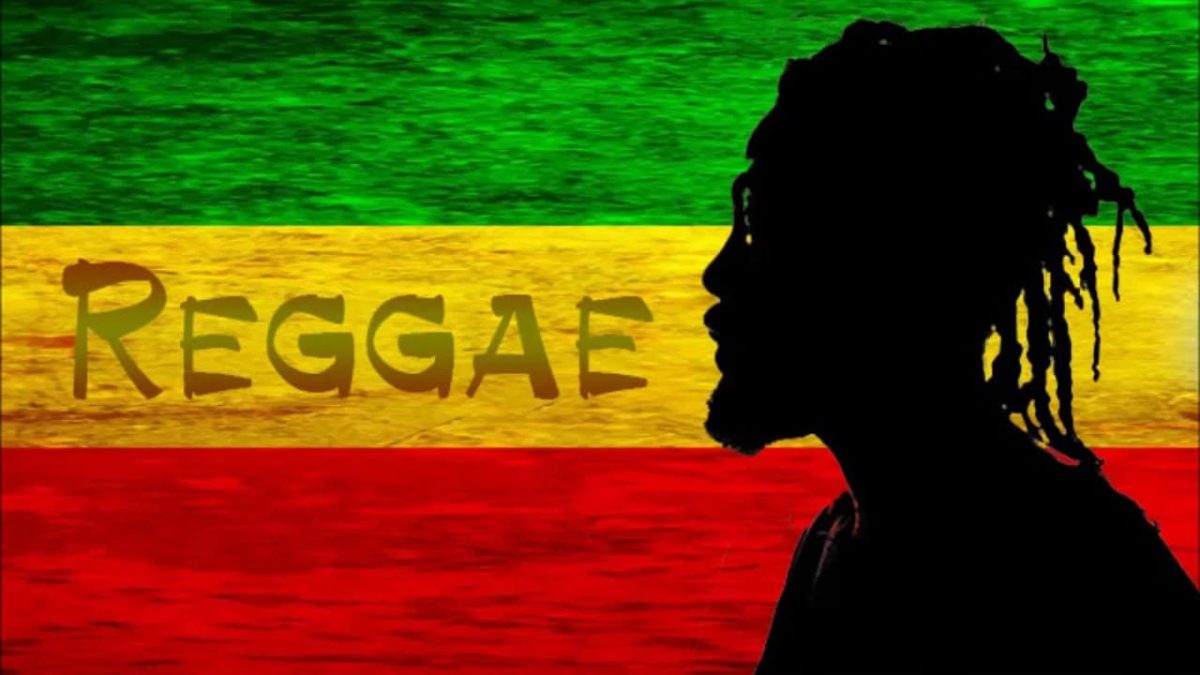
Reggae isn’t just music—it’s a movement, a message, and a mirror of resistance. From the dusty streets of Kingston to global festivals, the history of reggae music pulses with rhythm, rebellion, and raw truth. Let’s dive into its soul-stirring journey.
Origins of Reggae: The Roots of a Revolution

The history of reggae music begins in the vibrant, turbulent streets of 1960s Jamaica, where sound systems blared from open-air yards and political unrest simmered beneath the tropical sun. Reggae didn’t emerge in a vacuum—it was born from a fusion of cultural, social, and musical forces that had been building for decades.
From Mento to Ska: The Early Sound of Jamaica
Before reggae, there was mento—a traditional Jamaican folk style blending African rhythms with calypso and rural storytelling. Think acoustic guitars, banjos, and cheeky lyrics about everyday life. By the 1950s, mento laid the groundwork for something faster, sharper: ska.
history of reggae music – History of reggae music menjadi aspek penting yang dibahas di sini.
Ska exploded in the early 1960s, characterized by its upbeat tempo, walking bass lines, and prominent horn sections. Artists like Prince Buster, The Skatalites, and Desmond Dekker turned ska into a national sound, often reflecting the optimism of Jamaica’s post-independence era (1962). Ska wasn’t just dance music—it was a cultural statement.
As urbanization increased and youth culture evolved, ska began to slow down, giving birth to rocksteady in the mid-60s. Rocksteady emphasized soulful vocals, romantic themes, and a more relaxed groove. This shift in tempo and tone was crucial—it allowed space for deeper lyrical content and set the stage for reggae’s emergence.
- Mento: Jamaica’s original folk music with rural roots.
- Ska: Fast-paced, horn-driven sound symbolizing post-colonial pride.
- Rocksteady: Slower, smoother, and more socially aware precursor to reggae.
“Ska was the sound of freedom. Rocksteady was the sound of love. Reggae? That was the sound of truth.” — Lloyd Bradley, author of This Is Reggae Music
The Role of Sound Systems in Shaping Reggae
No discussion of the history of reggae music is complete without acknowledging the legendary sound systems. These mobile DJ setups—pioneered by figures like Duke Reid, Coxsone Dodd, and King Edwards—were the lifeblood of Jamaican street culture.
history of reggae music – History of reggae music menjadi aspek penting yang dibahas di sini.
Sound systems weren’t just about playing music; they were competitive, community-driven events where selectors (DJs) would spin exclusive dubplates (one-off recordings) to win over crowds. This culture of exclusivity and innovation led to the rise of dub music and the practice of remixing tracks—long before the term ‘remix’ existed.
Artists recorded tracks specifically for sound systems, often with deejays toasting (talking rhythmically over beats)—a direct ancestor of rap. This oral tradition, rooted in African griot storytelling, became a cornerstone of reggae’s identity.
Studio One, founded by Coxsone Dodd, became the Motown of Jamaica, nurturing legends like Bob Marley, Burning Spear, and Toots Hibbert. The sound system culture didn’t just distribute music—it created it.
history of reggae music – History of reggae music menjadi aspek penting yang dibahas di sini.
Birth of Reggae: The 1968 Turning Point
The year 1968 is often cited as the official birth of reggae music. While the genre had been gestating for years, it was in this pivotal year that the signature reggae beat—off-beat guitar or keyboard chops, known as the ‘skank’—became standardized.
The shift from rocksteady to reggae was both musical and ideological. As Jamaica faced economic hardship, political violence, and growing Rastafarian influence, the music slowed further, deepened in bass, and intensified in message. Reggae became the voice of the marginalized.
The First Reggae Hits and Artists
The first song widely recognized as reggae is “Do the Reggay” by Toots and the Maytals (1968). The title itself coined the term, giving the genre its name. Toots Hibbert’s soulful voice and gospel-infused delivery brought emotional weight to the new sound.
history of reggae music – History of reggae music menjadi aspek penting yang dibahas di sini.
Other early reggae pioneers included The Wailers (Bob Marley, Peter Tosh, and Bunny Wailer), The Paragons, and The Heptones. Their music blended smooth harmonies with lyrics that addressed love, injustice, and spiritual awakening.
Tracks like “Simmer Down” by The Wailers (1964) hinted at the political edge to come, urging Kingston’s youth to calm the rising tensions. By 1968, songs like “54-46 Was My Number” (Toots and the Maytals) told real-life stories of incarceration and resistance, grounding reggae in lived experience.
- “Do the Reggay” – First song to use the term ‘reggae’.
- “54-46 Was My Number” – A prison narrative with deep social commentary.
- “Simmer Down” – Early call for peace amid urban unrest.
Evolution of the Reggae Beat
The reggae beat is defined by its rhythmic emphasis on the off-beat, often played by guitar or piano. This ‘skank’ creates a syncopated, loping groove that feels both relaxed and urgent.
history of reggae music – History of reggae music menjadi aspek penting yang dibahas di sini.
The bassline in reggae is not just supportive—it’s dominant. Deep, melodic, and often carrying the main theme, the bass reflects the influence of American jazz and R&B, but with a distinctly Jamaican flavor. Drum patterns typically feature a steady one-drop rhythm, where the snare or rim shot hits on the third beat, creating a hypnotic pulse.
This musical structure allowed space for lyrical depth. Unlike the dance-focused ska, reggae invited listeners to reflect, pray, and resist. The beat wasn’t just for dancing—it was for thinking.
“Reggae music is the drum of the people. When you hear that bass, you feel the heartbeat of the struggle.” — Burning Spear
Rastafari and Reggae: A Spiritual Symphony
The history of reggae music is inseparable from the Rastafari movement. Emerging in Jamaica in the 1930s, Rastafari is a spiritual and cultural movement rooted in African identity, resistance to oppression (‘Babylon’), and devotion to Emperor Haile Selassie I of Ethiopia, whom Rastafarians believe is the messiah.
history of reggae music – History of reggae music menjadi aspek penting yang dibahas di sini.
By the 1970s, Rastafarian beliefs had become central to reggae’s lyrical and visual identity. Dreadlocks, the colors red, gold, and green, and references to Zion, Ethiopia, and Jah (God) became symbols of the genre.
Rastafarian Influence on Lyrics and Themes
Reggae became the soundtrack of Rastafarian philosophy. Songs addressed themes of repatriation to Africa, the evils of colonialism, the importance of natural living, and spiritual liberation. Bob Marley’s “Exodus,” “Redemption Song,” and “Zion Train” are prime examples of this fusion.
Artists like Peter Tosh, Burning Spear, and Culture used their music as sermons, calling for justice and awakening. Tosh’s “Equal Rights” and “Downpressor Man” were direct challenges to systemic oppression, blending militant lyrics with hypnotic rhythms.
history of reggae music – History of reggae music menjadi aspek penting yang dibahas di sini.
The use of biblical language—often reinterpreted through an Afrocentric lens—gave reggae a prophetic tone. Phrases like “Babylon system” referred not just to ancient empires but to modern police states, corrupt governments, and exploitative capitalism.
- Repatriation: The dream of returning to Africa.
- Downpression: The systemic oppression of Black people.
- One Love: Unity and spiritual oneness under Jah.
Haile Selassie I: The Living God of Reggae
Emperor Haile Selassie I of Ethiopia (born Ras Tafari Makonnen) is the central figure in Rastafarian belief. His coronation in 1930 was seen as the fulfillment of biblical prophecy (Revelation 5:5), and his 1966 visit to Jamaica was a holy event for Rastafarians.
Reggae artists frequently referenced Selassie in their music. Bob Marley’s “Selassie Is the Chapel” and “Crazy Baldhead” pay homage to the emperor. Even after Selassie’s death in 1975, reggae continued to venerate him as a symbol of African dignity and resistance.
history of reggae music – History of reggae music menjadi aspek penting yang dibahas di sini.
This spiritual reverence wasn’t just religious—it was political. By elevating an African king, reggae challenged Eurocentric worldviews and celebrated Black excellence.
“The King of Kings, Lord of Lords, Conquering Lion of the Tribe of Judah, His Imperial Majesty Haile Selassie I.” — Chanted in reggae and Rastafarian ceremonies
Global Explosion: Reggae Goes International
The 1970s marked reggae’s breakout onto the world stage. What began as a local sound from a small Caribbean island became a global phenomenon, thanks to visionary artists, savvy producers, and shifting cultural tides.
The history of reggae music reached a turning point when international audiences began to listen—and understand.
history of reggae music – History of reggae music menjadi aspek penting yang dibahas di sini.
Bob Marley and the Wailers: Ambassadors of Reggae
No single artist did more to popularize reggae than Bob Marley. With his band, The Wailers, Marley brought reggae to stadiums, radio stations, and political movements worldwide.
After signing with Island Records in 1972, Marley released a string of landmark albums: Catch a Fire (1973), Burnin’ (1973), Exodus (1977), and Uprising (1980). Songs like “No Woman, No Cry,” “Get Up, Stand Up,” “One Love,” and “Redemption Song” became anthems of peace, resistance, and unity.
Marley wasn’t just a musician—he was a prophet, a diplomat, and a symbol. His performance at the One Love Peace Concert in 1978, where he famously joined the hands of rival political leaders Michael Manley and Edward Seaga, showed the unifying power of reggae.
history of reggae music – History of reggae music menjadi aspek penting yang dibahas di sini.
Even after his death from cancer in 1981, Marley’s influence grew. He became the first Jamaican artist inducted into the Rock and Roll Hall of Fame (1994) and remains the best-selling reggae artist of all time.
- First global reggae superstar.
- Used music as a tool for peace and political change.
- Legacy continues through his children and foundation.
Reggae in the UK and Europe
Reggae found fertile ground in the UK, especially among Caribbean immigrants and their descendants. Cities like London, Birmingham, and Bristol became hubs for reggae, dub, and later, lovers rock—a smoother, romantic subgenre.
British bands like Aswad, Steel Pulse, and UB40 brought reggae to mainstream audiences. Steel Pulse, known for their politically charged lyrics, won a Grammy in 1987 for Babylon the Bandit. UB40’s 1983 cover of “Red Red Wine” topped charts worldwide, introducing reggae to pop listeners.
history of reggae music – History of reggae music menjadi aspek penting yang dibahas di sini.
The UK also became a center for dub poetry and sound system culture. Artists like Linton Kwesi Johnson used reggae rhythms to deliver powerful social commentary in patois, blending poetry and protest.
European countries like Germany, France, and the Netherlands also embraced reggae, hosting major festivals and supporting local reggae scenes. Reggae became a voice for marginalized communities across the continent.
“Reggae is not just music. It’s a culture, a way of life, a resistance. When I hear it, I hear the voice of my ancestors.” — Linton Kwesi Johnson
Dub and Studio Innovation: The Birth of Remix Culture
One of the most revolutionary aspects of the history of reggae music is the invention of dub—a genre that redefined what music production could be. Dub emerged in the late 1960s and 1970s as producers began experimenting with tape delays, reverb, and sound effects to create instrumental, effects-heavy versions of reggae tracks.
history of reggae music – History of reggae music menjadi aspek penting yang dibahas di sini.
Dub wasn’t just a remix—it was a transformation. By stripping away vocals, emphasizing bass and drums, and adding echo and reverb, producers turned songs into sonic landscapes.
King Tubby and the Dub Revolution
Osbourne “King” Tubby is widely regarded as the father of dub. A sound system technician and electronics genius, Tubby began manipulating tracks in his home studio in Kingston, creating ‘versions’—instrumental B-sides that DJs could toast over.
His work with producers like Bunny Lee and artists like The Aggrovators pushed the boundaries of studio engineering. Albums like In the Roots of Dub and Dub From the Roots showcased his mastery of space, rhythm, and sound.
history of reggae music – History of reggae music menjadi aspek penting yang dibahas di sini.
Tubby didn’t just make music—he invented a new art form. His influence can be heard in hip-hop, electronic music, and ambient genres. Dub was the original remix culture.
Lee “Scratch” Perry and the Black Ark
Lee “Scratch” Perry was another dub pioneer, known for his eccentric genius and innovative production techniques. At his Black Ark studio, Perry produced groundbreaking work for Bob Marley, The Congos, Max Romeo, and Junior Murvin.
Perry treated the studio as an instrument. He used homemade effects, tape loops, and even buried microphones in sand to achieve unique sounds. His album Super Ape (1976) with The Upsetters is a dub masterpiece.
history of reggae music – History of reggae music menjadi aspek penting yang dibahas di sini.
Though the Black Ark studio was mysteriously burned down in 1979 (by Perry himself, he claimed, to exorcise evil spirits), his legacy lives on. Perry was a sonic alchemist, turning reggae into something mystical and otherworldly.
- Dub: Instrumental, effects-heavy remixes of reggae tracks.
- King Tubby: Inventor of the dub genre.
- Lee Perry: Sonic innovator and studio wizard.
“I don’t use computers. I use the spirit. The studio is my spaceship.” — Lee “Scratch” Perry
Reggae Subgenres: From Dancehall to Roots
As reggae evolved, it branched into numerous subgenres, each reflecting different social, technological, and artistic currents. The history of reggae music is not a straight line—it’s a tree with many roots and branches.
Roots Reggae: The Conscious Core
Roots reggae emerged in the 1970s as the most spiritually and politically charged form of the genre. It emphasized Rastafarian themes, social justice, and African identity.
history of reggae music – History of reggae music menjadi aspek penting yang dibahas di sini.
Artists like Burning Spear, Culture, The Abyssinians, and Israel Vibration delivered powerful messages over deep, hypnotic rhythms. Albums like Garvey’s Ghost (Burning Spear) and Two Sevens Clash (Culture) are considered classics of the genre.
Roots reggae was not just music—it was a call to awaken, to resist, to return to one’s roots. It became the soundtrack of liberation movements across Africa, the Caribbean, and the African diaspora.
Dancehall: The Digital Shift
By the late 1970s and 1980s, reggae began to shift toward dancehall—a faster, more digital, and DJ-driven style. Also known as ‘ragga’ (from ‘raggamuffin’), dancehall prioritized rhythm, lyrical dexterity, and street credibility.
history of reggae music – History of reggae music menjadi aspek penting yang dibahas di sini.
With the rise of digital instrumentation (like the Casio MT-40 and later the Yamaha DX7), producers like King Jammy and Sly & Robbie created new riddims (rhythms) that powered the scene. Artists like Yellowman, Shabba Ranks, and Beenie Man became dancehall stars.
Dancehall lyrics often focused on partying, sexuality, and social commentary, though some artists maintained a conscious edge. The genre faced criticism for misogyny and violence, but it also gave voice to inner-city youth and became a dominant force in Jamaican music.
Today, dancehall continues to evolve, influencing global pop, hip-hop, and Afrobeats. Artists like Popcaan and Alkaline carry the torch, while international stars like Rihanna and Drake incorporate dancehall rhythms into their hits.
history of reggae music – History of reggae music menjadi aspek penting yang dibahas di sini.
- Roots Reggae: Spiritual, political, Rastafarian-focused.
- Dancehall: Urban, digital, DJ-centric, and rhythm-driven.
- Lovers Rock: Smooth, romantic reggae popular in the UK.
Reggae Today: Legacy and Influence
The history of reggae music is far from over. While the golden era of the 1970s may be behind us, reggae’s spirit lives on—in new artists, global movements, and cultural expressions.
UNESCO recognized reggae as an Intangible Cultural Heritage of Humanity in 2018, affirming its global significance. The genre continues to inspire artists across genres, from hip-hop to rock to electronic music.
Modern Reggae Artists Keeping the Flame Alive
Today’s reggae scene is vibrant and diverse. Artists like Chronixx, Koffee, Protoje, and Kabaka Pyramid are leading a ‘reggae revival,’ blending traditional roots with modern production and conscious lyrics.
history of reggae music – History of reggae music menjadi aspek penting yang dibahas di sini.
Koffee, a young Jamaican artist, made history with her 2019 Grammy win for Best Reggae Album (Rapture), becoming the first female solo artist to do so. Her song “Toast” became an anthem of gratitude and resilience.
Meanwhile, bands like SOJA (from the USA) and Gentleman (from Germany) have brought reggae to new audiences, proving the genre’s universal appeal.
Reggae’s Influence on Other Genres
Reggae’s impact extends far beyond its own genre. Hip-hop owes a deep debt to reggae’s sound system culture and toasting tradition. Early hip-hop DJs like Kool Herc (a Jamaican immigrant) brought sound system techniques to the Bronx, laying the foundation for rap.
history of reggae music – History of reggae music menjadi aspek penting yang dibahas di sini.
Electronic music, dubstep, and trip-hop all draw from dub’s experimental production. Artists like Massive Attack and Burial cite King Tubby and Lee Perry as major influences.
Even pop music has been touched by reggae—from The Police’s “Roxanne” to Rihanna’s “Work.” The off-beat rhythm, the deep bass, the message of resistance—reggae is everywhere.
“When you hear reggae, you’re not just hearing music. You’re hearing a history of survival, of faith, of rebellion.” — Ziggy Marley
What is the origin of the word ‘reggae’?
history of reggae music – History of reggae music menjadi aspek penting yang dibahas di sini.
The term ‘reggae’ was popularized by the 1968 song “Do the Reggay” by Toots and the Maytals. Its exact origin is debated, but it may derive from the Jamaican patois word ‘streggae,’ meaning a ragged or reckless person, or from ‘rege-rege,’ meaning ‘kingdom’ in an Afrocentric context.
Who is considered the father of reggae music?
While no single person invented reggae, Toots Hibbert (of Toots and the Maytals) is often credited with naming the genre. Bob Marley is widely regarded as its most influential ambassador. Producers like Coxsone Dodd and King Tubby were also foundational in shaping its sound.
history of reggae music – History of reggae music menjadi aspek penting yang dibahas di sini.
How did Rastafari influence reggae music?
Rastafari provided reggae with its spiritual foundation, lyrical themes, and cultural identity. Concepts like Babylon (oppression), Zion (freedom), and Jah (God) are central to reggae lyrics. The movement’s emphasis on African pride and resistance deeply shaped the genre’s message.
What is the difference between reggae and ska?
Ska is faster, with a prominent upbeat rhythm and horn sections, originating in the early 1960s. Reggae, emerging in 1968, is slower, with a heavier bassline, off-beat guitar chops, and more socially conscious lyrics. Rocksteady served as the bridge between the two.
Is reggae still popular today?
Yes, reggae remains influential worldwide. While mainstream pop has evolved, a reggae revival led by artists like Chronixx and Koffee is bringing conscious roots music back to the forefront. Reggae’s legacy also lives on through its impact on hip-hop, dancehall, and electronic music.
The history of reggae music is a journey of resilience, rhythm, and revolution. From its roots in Jamaican folk traditions to its global impact, reggae has been more than entertainment—it’s been a voice for the voiceless. It gave power to the powerless, hope to the hopeless, and a beat to the broken. As long as injustice exists, reggae will endure. As long as people seek truth, reggae will speak. And as long as the bass drops on the one, the spirit of reggae will never die.
Further Reading: