
 Tahlia Tsama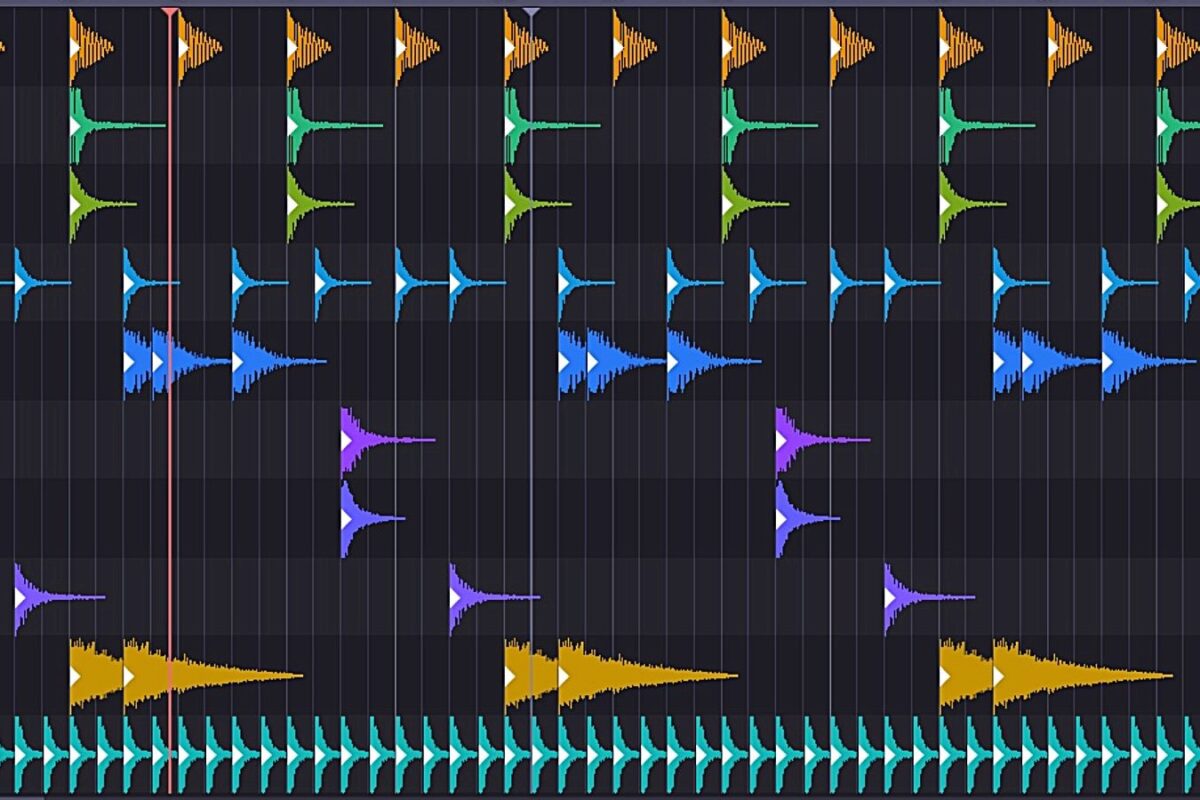
Want your electronic tracks to explode with depth and power? Mastering sample layering is the secret weapon top producers use to create rich, immersive soundscapes. These sample layering tricks for fuller electronic tracks will transform your productions from flat to fat in no time.
1. Understand the Core Principles of Sample Layering

Before diving into advanced techniques, it’s crucial to grasp the foundational concepts behind sample layering. At its core, sample layering involves combining multiple audio samples to create a single, more complex and dynamic sound. This technique is widely used in electronic music to enhance the fullness, texture, and presence of drums, basslines, synths, and even vocals.
What Is Sample Layering?
Sample layering is the process of stacking two or more audio samples—such as drum hits, synth tones, or ambient textures—so they play simultaneously. The goal is to blend their sonic characteristics into a cohesive, richer sound than any single sample could achieve alone.
sample layering tricks for fuller electronic tracks – Sample layering tricks for fuller electronic tracks menjadi aspek penting yang dibahas di sini.
- Layering can be applied to any element in a track: kicks, snares, hi-hats, pads, leads, and more.
- It’s not just about volume—it’s about frequency coverage, stereo imaging, and dynamic contrast.
- Proper layering ensures clarity, prevents masking, and enhances the emotional impact of a sound.
Why Use Sample Layering in Electronic Music?
Electronic music thrives on innovation and sonic experimentation. Sample layering allows producers to craft unique sounds that stand out in a crowded market. Instead of relying on stock presets or single samples, layering gives you full creative control.
- It fills out the frequency spectrum—low-end from one sample, midrange punch from another, and high-end snap from a third.
- It adds depth and realism, especially when blending acoustic and electronic elements.
- It helps your tracks cut through on different playback systems, from club speakers to earbuds.
“Layering isn’t just stacking sounds—it’s sculpting them into a single, powerful voice.” — Grammy-winning producer, Mark Ronson
2. Layer Kicks for Maximum Impact and Sub-Bass Power
One of the most common and effective applications of sample layering tricks for fuller electronic tracks is in the kick drum. A weak kick can make an entire track feel lifeless, while a well-layered kick provides both punch and sub-weight that drives the rhythm forward.
Combine a Sub-Bass Kick with a Punchy Attack Layer
The secret to a club-shaking kick is separating the sub-bass (20–60 Hz) from the mid-range attack (100–250 Hz). Use a clean sine wave kick for the sub and a short, sharp acoustic or processed kick for the attack.
sample layering tricks for fuller electronic tracks – Sample layering tricks for fuller electronic tracks menjadi aspek penting yang dibahas di sini.
- Align the transients perfectly—use waveform zoom to match the peak of both layers.
- Apply a high-pass filter to the attack layer to remove low-end mud.
- Use a low-pass filter on the sub layer to eliminate any unwanted high frequencies.
Use Phase Alignment to Prevent Cancellation
When layering kicks, phase issues can cause the low end to disappear. This happens when waveforms are out of sync, leading to destructive interference.
- Invert the phase of one layer and listen for the fullest sound.
- Use tools like Xfer Records’ Phase Alignment plugin to automatically correct phase issues.
- Check your mix in mono to ensure the kick remains powerful across all systems.
3. Craft Explosive Snares with Multi-Layered Textures
A great snare can define a track’s energy. Layering allows you to build snares with body, snap, and space—going beyond the limitations of a single sample.
Blend Acoustic Snares with Synthetic Noise Layers
Start with a tight acoustic snare for the core body, then layer in white or pink noise for high-end crack. You can also add a short reverb tail or room mic sample to give it space.
sample layering tricks for fuller electronic tracks – Sample layering tricks for fuller electronic tracks menjadi aspek penting yang dibahas di sini.
- Use an envelope follower to trigger noise only on the transient for precision.
- Apply EQ to carve out space—cut around 400 Hz in the noise layer to avoid boxiness.
- Sidechain the noise layer to the main snare to ensure it doesn’t overpower.
Add Percussive Layers for Rhythmic Interest
Enhance your snare with subtle layers like claps, snaps, or even reversed cymbals. These add complexity without cluttering the mix.
- Layer a short clap slightly behind the main snare for a wider stereo image.
- Use a finger snap or stick hit to add organic texture.
- Apply light saturation to glue the layers together.
4. Design Rich Synth Pads with Harmonic Layering
Synth pads are the emotional backbone of many electronic tracks. Layering different synth textures can create lush, evolving soundscapes that fill the stereo field and support the harmony.
Combine Sine, Saw, and Square Waves for Fullness
Each waveform has a unique harmonic profile. By layering them, you can create a pad that’s both smooth and harmonically rich.
sample layering tricks for fuller electronic tracks – Sample layering tricks for fuller electronic tracks menjadi aspek penting yang dibahas di sini.
- Use a sine wave for the fundamental tone—clean and warm.
- Add a filtered saw wave for midrange presence and movement.
- Include a detuned square wave for subtle grit and width.
Use Reversed and Ambient Samples for Depth
Incorporate reversed reverb tails, field recordings, or ambient textures beneath your synth layers to add a sense of space and mystery.
- Reverse a short reverb decay and place it just before the pad hits.
- Layer in rain, wind, or city sounds at low volume for atmospheric depth.
- Apply low-pass filtering and reverb to blend ambient layers seamlessly.
5. Enhance Hi-Hats and Percussion with Textural Layering
While kicks and snares get the spotlight, hi-hats and percussion are essential for groove and rhythm. Layering these elements can add realism, variety, and high-frequency energy.
Stack Open and Closed Hats for Dynamic Variation
Instead of using a single hi-hat sample, layer multiple variations—closed, open, and half-open—to create more expressive patterns.
sample layering tricks for fuller electronic tracks – Sample layering tricks for fuller electronic tracks menjadi aspek penting yang dibahas di sini.
- Use velocity switching to trigger different layers based on MIDI input.
- Apply slight timing offsets (humanization) to mimic real playing.
- EQ each layer to avoid frequency clashes—cut lows in open hats, boost presence in closed ones.
Add Shakers, Rides, and Tonal Elements
Enrich your percussion by layering in shakers, tambourines, or even melodic elements like tuned bells or chimes.
- Use a shaker layer to fill in gaps between hi-hat hits.
- Layer a short ride cymbal for crash-like accents.
- Add a tuned bell or sine tone to give your hi-hat pattern a melodic hook.
6. Apply Advanced Processing to Glue Layers Together
Layering is only half the battle—processing is what makes the layers sound like one cohesive sound. Without proper glue, layered samples can feel disjointed and messy.
Use Parallel Compression for Controlled Punch
Parallel compression (also known as New York compression) blends a heavily compressed version of your layered sound with the dry signal, preserving transients while adding body.
sample layering tricks for fuller electronic tracks – Sample layering tricks for fuller electronic tracks menjadi aspek penting yang dibahas di sini.
- Send your layered kick or snare to an aux channel with a fast compressor (e.g., SSL G-Master Buss Compressor).
- Compress aggressively—4:1 to 8:1 ratio, fast attack, medium release.
- Blend the compressed signal back in until you feel the added weight without losing punch.
Apply Saturation and Harmonic Excitement
Saturation adds harmonic content that helps layered sounds cut through the mix. It’s especially useful for drums and synths.
- Use tape saturation on kick layers for warmth.
- Apply tube or transistor saturation on snare layers for grit.
- Try multiband saturation to target specific frequency ranges.
Use Mid/Side EQ for Stereo Precision
Mid/Side EQ allows you to process the center (mid) and sides of your stereo image independently—perfect for controlling how layered elements sit in the mix.
- Boost low-end in the mid channel to keep bass elements centered.
- Enhance high frequencies in the side channel to widen hats and cymbals.
- Use a plugin like iZotope Ozone Imager for precise control.
7. Avoid Common Layering Mistakes That Kill Your Mix
Even with the best sample layering tricks for fuller electronic tracks, poor execution can ruin your mix. Awareness of common pitfalls is key to professional-sounding results.
sample layering tricks for fuller electronic tracks – Sample layering tricks for fuller electronic tracks menjadi aspek penting yang dibahas di sini.
Over-Layering: Less Is More
It’s tempting to stack dozens of samples, but too many layers create mud and masking. Focus on quality, not quantity.
- Limit yourself to 2–4 layers per sound unless absolutely necessary.
- Always A/B your layered sound against the original to ensure improvement.
- Use solo and mute to isolate problematic layers.
Ignoring Frequency Clashes
When multiple samples occupy the same frequency range, they compete for space. This leads to a muddy or thin mix.
- Use EQ to carve out space—cut overlapping frequencies in one layer to make room for another.
- Reference a frequency analyzer like Voxengo SPAN to visualize clashes.
- Use high-pass and low-pass filters strategically to define each layer’s role.
Poor Transient Alignment
If the attack transients of your layers don’t align, the sound will feel weak and unfocused.
sample layering tricks for fuller electronic tracks – Sample layering tricks for fuller electronic tracks menjadi aspek penting yang dibahas di sini.
- Zoom in on the waveform and manually nudge samples to align peaks.
- Use transient detection tools in your DAW (e.g., Ableton’s Warp Markers, FL Studio’s Snap Settings).
- Consider using a transient shaper to boost or soften the attack after layering.
8. Use Layering to Create Signature Sounds and Brand Identity
Top producers don’t just layer sounds—they create signature textures that become part of their sonic identity. Think of Skrillex’s distorted bass layers or Flume’s glitchy percussion stacks.
Develop a Personal Sample Palette
Curate a personal library of go-to samples that reflect your style. This speeds up production and ensures consistency across your tracks.
- Collect unique field recordings, processed vocals, or modulated synth hits.
- Organize samples by category: sub-kicks, snare tops, noise bursts, etc.
- Label and tag them for quick recall during production.
Experiment with Unconventional Layering Sources
Break the mold by layering non-musical sounds—glass breaks, animal noises, mechanical sounds, or spoken word snippets.
sample layering tricks for fuller electronic tracks – Sample layering tricks for fuller electronic tracks menjadi aspek penting yang dibahas di sini.
- Layer a bear growl under a bass drop for primal impact.
- Use a reversed door creak before a snare hit for tension.
- Process everyday sounds with granular synthesis for abstract textures.
9. Leverage Technology: Plugins and Tools for Smarter Layering
Modern DAWs and plugins offer powerful tools to streamline and enhance your sample layering workflow. Embrace them to work faster and smarter.
Use Layering-Focused Plugins
Dedicated plugins can automate alignment, phase correction, and blending.
- Output’s Portal allows granular layering and morphing of samples.
- NI Reaktor lets you build custom layering instruments.
- Little AlterBoy can pitch-shift and formant-shift layers for vocal-like effects.
Automate Layer Parameters for Dynamic Evolution
Instead of static layers, use automation to change volume, pan, filter, or effects over time.
sample layering tricks for fuller electronic tracks – Sample layering tricks for fuller electronic tracks menjadi aspek penting yang dibahas di sini.
- Automate the blend between layers during a build-up or drop.
- Modulate the cutoff frequency of a noise layer to create movement.
- Use LFOs or envelopes to rhythmically pulse a background layer.
10. Real-World Examples: How Pros Use Sample Layering
Learning from the masters can inspire your own approach. Let’s look at how top electronic artists apply sample layering tricks for fuller electronic tracks.
Calvin Harris: Polished, Radio-Ready Drums
Harris layers crisp acoustic snare samples with subtle clap and noise layers to achieve his signature bright, punchy sound.
- He often uses a short room reverb on snares for natural space.
- His hi-hats combine tight closed hats with shaker layers for groove.
- He automates layer volume to create dynamic changes across sections.
Flume: Glitchy, Textural Innovation
Flume’s sound is defined by unexpected layering—vocal chops, reversed hits, and granular textures stacked with traditional drums.
sample layering tricks for fuller electronic tracks – Sample layering tricks for fuller electronic tracks menjadi aspek penting yang dibahas di sini.
- He layers pitched-down vocal samples under kicks for sub-harmonic weight.
- His snares often include metallic hits or glass breaks for unique character.
- He uses heavy automation and effects to morph layers in real-time.
Deadmau5: Clean, Powerful Low End
Deadmau5 is known for his pristine, powerful kick and bass combinations—achieved through meticulous layering and phase alignment.
- He uses pure sine wave subs layered with short, punchy kicks.
- He avoids over-compression to preserve transient clarity.
- He references his mixes on multiple systems to ensure consistency.
What are the best sample layering tricks for fuller electronic tracks?
The best sample layering tricks include combining sub-bass and attack layers for kicks, blending acoustic and synthetic elements for snares, using harmonic waveforms for pads, applying parallel compression and saturation, and avoiding over-layering. Always align transients and manage phase to maintain clarity.
sample layering tricks for fuller electronic tracks – Sample layering tricks for fuller electronic tracks menjadi aspek penting yang dibahas di sini.
How do I prevent phase cancellation when layering samples?
To prevent phase cancellation, align the transients of your samples precisely, use phase inversion to test for fuller sound, and check your mix in mono. Tools like Xfer Records’ Phase Alignment plugin can automate this process for professional results.
Can I layer non-drum samples for fuller tracks?
sample layering tricks for fuller electronic tracks – Sample layering tricks for fuller electronic tracks menjadi aspek penting yang dibahas di sini.
Absolutely. Layering works for synths, pads, vocals, and ambient textures. For example, layer a sine wave pad with a filtered saw and a reversed reverb tail to create a lush, evolving soundscape that fills the frequency spectrum.
How many layers should I use per sound?
Most sounds benefit from 2–4 layers. Too many layers cause masking and mud. Focus on purpose: one layer for low end, one for mid punch, one for high-end snap. Always A/B your layers to ensure they improve the sound.
sample layering tricks for fuller electronic tracks – Sample layering tricks for fuller electronic tracks menjadi aspek penting yang dibahas di sini.
What plugins help with sample layering?
Plugins like Output Portal, iZotope Ozone, Xfer Phase Alignment, and Native Instruments Reaktor are excellent for layering. They offer tools for morphing, phase correction, EQ, and synthesis, making it easier to blend and shape layered sounds.
Mastering sample layering tricks for fuller electronic tracks is a game-changer for any producer. From crafting thunderous kicks to designing atmospheric pads, the techniques covered—layering fundamentals, phase alignment, advanced processing, and creative experimentation—equip you with the tools to build rich, professional-grade sounds. By avoiding common pitfalls and learning from industry pros, you can elevate your music from good to unforgettable. Start small, focus on intention, and let each layer serve a clear purpose. With practice, your tracks will not only sound fuller but truly unique.
sample layering tricks for fuller electronic tracks – Sample layering tricks for fuller electronic tracks menjadi aspek penting yang dibahas di sini.
Recommended for you 👇
Further Reading: