 Tahlia Tsama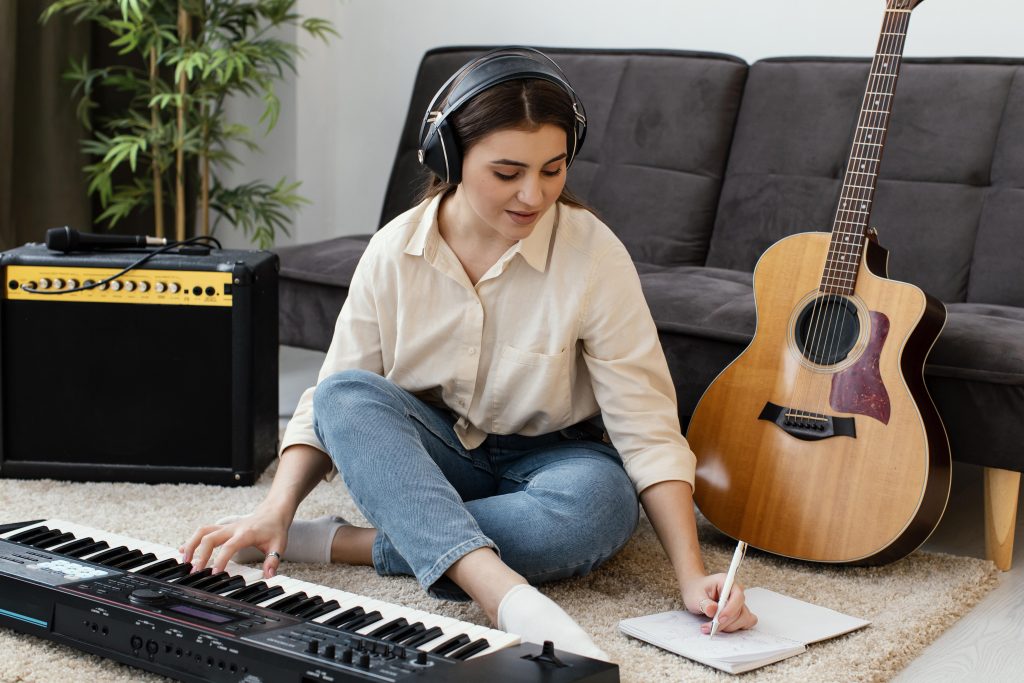
In today’s fast-evolving music industry, digital tools reshaping modern music workflow are transforming how artists create, produce, and distribute music—faster, smarter, and more accessibly than ever before.
Digital Tools Reshaping Modern Music Workflow: A Paradigm Shift

The music creation landscape has undergone a seismic transformation over the past two decades. What once required million-dollar studios, analog tape machines, and teams of engineers can now be accomplished on a laptop in a bedroom. This revolution is powered by digital tools reshaping modern music workflow, enabling unprecedented levels of creativity, collaboration, and efficiency.
The Evolution from Analog to Digital
Historically, music production was a linear, hardware-dependent process. Artists recorded live instruments onto multitrack tape, which required physical splicing, manual mixing, and expensive studio time. The shift to digital began in the 1980s with the advent of MIDI and digital audio workstations (DAWs), but it wasn’t until the 2000s that affordable computing power made digital production accessible to the masses.
- MIDI (Musical Instrument Digital Interface) allowed electronic instruments to communicate, laying the foundation for digital composition.
- Early DAWs like Pro Tools and Cubase digitized the recording process, replacing tape with digital audio files.
- Home computers became powerful enough to run full music production suites, democratizing access.
“The studio is now in the laptop.” – Rick Rubin, legendary music producer.
Democratization of Music Production
One of the most profound impacts of digital tools reshaping modern music workflow is the democratization of music creation. No longer limited to elite studios or major labels, independent artists can now produce professional-quality music from virtually anywhere. This shift has led to an explosion of new talent and genres, particularly in electronic, hip-hop, and indie pop.
- Software like FL Studio, Ableton Live, and Logic Pro offer intuitive interfaces for beat-making, sampling, and mixing.
- Plugins and virtual instruments replicate the sound of vintage synths, orchestral ensembles, and analog gear at a fraction of the cost.
- Online tutorials and communities (e.g., YouTube, Reddit, Splice) empower self-taught producers to learn and grow.
Digital Tools Reshaping Modern Music Workflow in Composition
Composing music has been fundamentally altered by digital innovation. Where composers once relied on pen, paper, and physical instruments, today’s creators use software that accelerates ideation, enhances precision, and expands sonic possibilities.
DAWs as Creative Hubs
Digital Audio Workstations (DAWs) are the central nervous system of modern music production. They integrate recording, editing, mixing, and mastering into a single environment. Popular DAWs like Ableton Live, FL Studio, and Logic Pro offer timeline-based sequencing, MIDI programming, and real-time audio manipulation.
- Non-linear workflows in Ableton Live allow for improvisational composition and live performance.
- FL Studio’s pattern-based approach is ideal for electronic and hip-hop producers.
- Logic Pro includes a vast library of virtual instruments and smart tempo features for film scoring.
AI-Powered Composition Assistants
Artificial intelligence is now playing a role in music composition. Tools like Amper Music (now part of Shutterstock) and Aria AI use machine learning to generate melodies, harmonies, and full arrangements based on user input.
digital tools reshaping modern music workflow – Digital tools reshaping modern music workflow menjadi aspek penting yang dibahas di sini.
- AI can suggest chord progressions, drum patterns, or even complete tracks in specific genres.
- These tools are particularly useful for content creators needing royalty-free background music.
- While not replacing human creativity, AI acts as a co-pilot, helping overcome creative blocks.
“AI won’t replace composers, but composers who use AI will replace those who don’t.” – David Cope, AI music pioneer.
Digital Tools Reshaping Modern Music Workflow in Recording
Recording music has become more accessible, flexible, and high-fidelity thanks to digital advancements. From USB microphones to cloud-based collaboration, the tools available today empower artists to capture sound with professional quality outside traditional studios.
Portable Recording Setups
Modern musicians no longer need to book expensive studio time. With a laptop, audio interface, and a decent microphone, they can record high-quality vocals and instruments at home. Brands like Focusrite, PreSonus, and Universal Audio offer affordable, compact solutions.
- USB microphones like the Shure MV7 and Audio-Technica AT2020USB+ provide studio-grade sound with plug-and-play ease.
- Audio interfaces such as the Focusrite Scarlett series offer low-latency monitoring and multiple inputs for multi-track recording.
- Portable recorders like the Zoom H6 allow field recording for ambient sounds or live sessions.
Cloud-Based Collaboration Platforms
Digital tools reshaping modern music workflow now include cloud platforms that enable real-time collaboration across continents. Services like Soundtrap by Spotify and Splice allow multiple users to work on the same project simultaneously.
- Artists can upload stems, leave comments, and version-control their projects.
- Producers in Los Angeles can work with vocalists in London or Tokyo without physical meetings.
- These platforms integrate with major DAWs, ensuring seamless file compatibility.
Digital Tools Reshaping Modern Music Workflow in Mixing and Mastering
Mixing and mastering—once the exclusive domain of seasoned audio engineers—are now within reach of independent artists. Digital tools have automated many technical aspects while providing intuitive interfaces for sonic refinement.
Virtual Mixing Consoles and Plugins
Modern DAWs come equipped with powerful mixing tools, including EQ, compression, reverb, and automation. Third-party plugin developers like Waves, iZotope, and FabFilter offer industry-standard processors that emulate analog hardware.
- Waves SSL plugins replicate the sound of classic Neve and SSL mixing consoles.
- iZotope’s Ozone suite provides AI-assisted mastering with genre-specific presets.
- FabFilter’s Pro-Q 3 offers surgical EQ control with dynamic filtering.
AI Mastering Services
Platforms like LANDR and Mastering The Mix use artificial intelligence to master tracks in minutes. While not a replacement for human mastering engineers in high-stakes projects, these tools are invaluable for indie artists on tight budgets.
- LANDR analyzes frequency balance, dynamics, and stereo imaging to apply corrective processing.
- Users can preview different mastering styles and adjust loudness to streaming platform standards.
- AI mastering reduces turnaround time from days to minutes, accelerating release cycles.
“AI mastering won’t replace engineers, but it’s leveling the playing field.” – Grammy-winning engineer Manny Marroquin.
Digital Tools Reshaping Modern Music Workflow in Distribution and Marketing
Getting music to listeners has never been easier—or more competitive. Digital tools reshaping modern music workflow now extend beyond creation to include distribution, promotion, and audience engagement.
digital tools reshaping modern music workflow – Digital tools reshaping modern music workflow menjadi aspek penting yang dibahas di sini.
Direct-to-Platform Distribution
Services like DistroKid, TuneCore, and CD Baby allow artists to upload music directly to Spotify, Apple Music, YouTube, and TikTok without a label.
- These platforms handle metadata, ISRC codes, and royalty collection.
- Artists retain 100% of their rights and earn direct payouts.
- Some services offer YouTube Content ID to monetize user-generated content.
Data-Driven Marketing and Analytics
Artists now have access to real-time analytics about their audience. Spotify for Artists, Apple Music for Artists, and YouTube Analytics provide insights into listener demographics, geographic reach, and playlist performance.
- Producers can identify which tracks are gaining traction and tailor future releases accordingly.
- Geo-targeting allows for localized marketing campaigns and tour planning.
- Social media integration helps build fan communities and drive engagement.
Digital Tools Reshaping Modern Music Workflow in Live Performance
Live music has also been transformed by digital innovation. From laptop-based DJ sets to augmented reality concerts, technology is redefining what it means to perform.
Laptop and Controller-Based Performances
Artists like deadmau5, Aphex Twin, and Grimes use laptops and MIDI controllers to perform complex sets live. Software like Ableton Live enables real-time triggering of clips, effects, and transitions.
- MIDI controllers from Novation, Akai, and Native Instruments offer tactile control over digital parameters.
- Max for Live allows custom instrument and effect creation within Ableton.
- Looping and sampling tools enable on-the-fly composition during performances.
Virtual and Augmented Reality Concerts
The rise of VR and AR has opened new frontiers for live music. Platforms like Travis Scott’s Fortnite concert and Wave host immersive digital performances that reach millions globally.
- Virtual avatars represent artists in 3D environments, enabling surreal visual experiences.
- AR apps allow fans to project holograms of artists into their living rooms.
- These formats reduce environmental impact and logistical costs compared to physical tours.
Digital Tools Reshaping Modern Music Workflow: The Future Ahead
As technology continues to evolve, the future of music creation promises even greater integration of AI, blockchain, and immersive audio. The tools we use today are just the beginning of a deeper fusion between human creativity and machine intelligence.
Blockchain and Music Rights Management
One of the most promising frontiers is blockchain technology for transparent royalty distribution. Platforms like Audius and Opus use decentralized networks to ensure artists are fairly compensated.
digital tools reshaping modern music workflow – Digital tools reshaping modern music workflow menjadi aspek penting yang dibahas di sini.
- Smart contracts automatically distribute royalties based on usage.
- Fans can support artists directly through tokenized memberships or NFTs.
- Transparency reduces disputes over ownership and licensing.
Spatial Audio and Immersive Sound
With the rise of Dolby Atmos and Apple’s spatial audio, music is becoming a 3D experience. Tools like iZotope’s Immersive Audio allow producers to place sounds in a spherical field, enhancing listener immersion.
- Streaming platforms like Tidal and Apple Music now support spatial audio.
- Headphone-based spatial rendering makes immersive sound accessible without special equipment.
- This technology is especially impactful for film, gaming, and VR soundtracks.
Challenges and Ethical Considerations
While digital tools reshaping modern music workflow offer immense benefits, they also present challenges. Issues like market saturation, copyright infringement, and the devaluation of music due to oversupply are growing concerns.
Market Saturation and Discoverability
With over 100,000 tracks uploaded to Spotify daily, standing out is harder than ever. Algorithms favor established artists, making it difficult for newcomers to gain traction.
- Quality doesn’t always guarantee visibility in algorithm-driven platforms.
- Artists must invest in marketing, social media, and playlist pitching to be discovered.
- Curated playlists and influencer collaborations have become essential for exposure.
Copyright and AI-Generated Music
The rise of AI-generated music raises legal and ethical questions. Who owns a track composed by an AI trained on copyrighted works? Current laws are unclear, leading to potential disputes.
- Some AI models are trained on vast datasets of existing music without artist consent.
- Platforms like YouTube are already flagging AI-generated content for copyright claims.
- Industry stakeholders are calling for updated regulations to protect creators.
What are the most essential digital tools for modern music production?
The core tools include a Digital Audio Workstation (DAW) like Ableton Live or FL Studio, a reliable audio interface, studio monitors or headphones, a microphone, and a collection of virtual instruments and plugins. Cloud collaboration tools like Splice and distribution platforms like DistroKid are also essential for modern workflows.
How has AI impacted music creation?
digital tools reshaping modern music workflow – Digital tools reshaping modern music workflow menjadi aspek penting yang dibahas di sini.
AI has streamlined composition, mixing, and mastering processes. It can generate melodies, suggest harmonies, and even master tracks with minimal input. While it enhances creativity and efficiency, it also raises ethical concerns about originality and copyright.
Can independent artists succeed without a record label?
Absolutely. Digital tools reshaping modern music workflow have empowered independent artists to produce, distribute, and promote music without label support. Success requires dedication, marketing savvy, and consistent output, but platforms like Spotify, TikTok, and YouTube provide global reach.
Are digital tools replacing traditional instruments?
No, they are complementing them. While virtual instruments offer convenience and versatility, acoustic instruments retain their unique expressiveness. Many producers blend digital and analog elements to create rich, hybrid sounds.
What is the future of music in the digital age?
The future will likely see deeper integration of AI, blockchain for rights management, and immersive audio formats like spatial sound. Music creation will become more collaborative, decentralized, and interactive, with fans playing a more active role in the artistic process.
digital tools reshaping modern music workflow – Digital tools reshaping modern music workflow menjadi aspek penting yang dibahas di sini.
Digital tools reshaping modern music workflow have revolutionized every stage of music creation—from composition and recording to distribution and performance. While challenges remain, the democratization of music technology has empowered a new generation of artists to innovate, collaborate, and share their work with the world like never before. As these tools continue to evolve, the only limit is imagination.
Further Reading: