
 Tahlia Tsama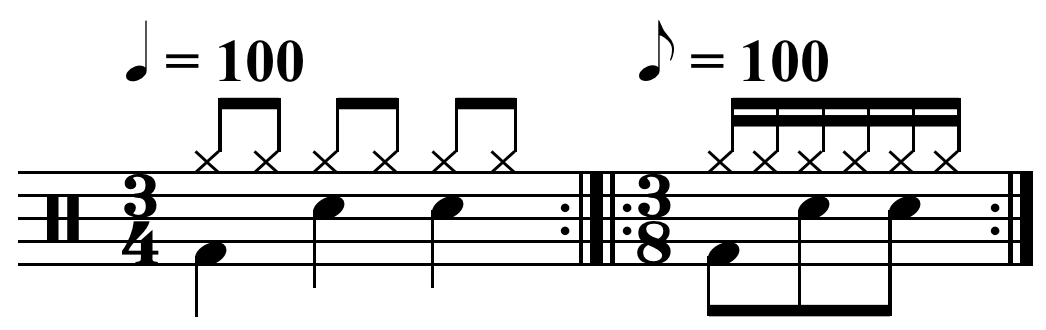
Ever wondered how electronic music producers craft those infectious beats that make you move? It all starts with mastering the art of building rhythm patterns for electronic music—where math meets emotion in perfect sync.
Understanding the Fundamentals of Rhythm in Electronic Music
Before diving into complex sequences, it’s essential to grasp the foundational elements that define rhythm in electronic music. Unlike acoustic genres, electronic music relies heavily on precision, repetition, and digital manipulation. Building rhythm patterns for electronic music begins with understanding time, pulse, and structure.
What Is Rhythm and Why It Matters
Rhythm is the backbone of any musical composition. In electronic music, it’s even more critical because the groove often carries the entire emotional weight of the track. A well-crafted rhythm pattern can elevate a simple melody into a dancefloor anthem.
- Rhythm provides structure and momentum.
- It defines the energy and feel of a track.
- It interacts dynamically with harmony and melody.
According to musictheory.net, rhythm is the pattern of sounds and silences in time, and in electronic music, this pattern is often quantized and looped for maximum impact.
The Role of Time Signatures
Most electronic music uses the 4/4 time signature, also known as common time. This means there are four beats per measure, and each beat is a quarter note. However, experimenting with other time signatures like 3/4, 6/8, or even 7/8 can lead to unique rhythmic textures.
- 4/4 is ideal for house, techno, and trance.
- 6/8 creates a flowing, triplet-based feel, common in dubstep and drum and bass.
- Odd time signatures (5/4, 7/8) add complexity and surprise.
“Rhythm is music’s heartbeat. Without it, even the most advanced synth patch falls flat.” — Mark Ronson, Producer
Essential Tools for Building Rhythm Patterns for Electronic Music
Creating compelling rhythms requires the right tools. Whether you’re using hardware or software, your toolkit shapes your creative possibilities. Building rhythm patterns for electronic music is both an art and a technical process, and your tools must support both.
Digital Audio Workstations (DAWs)
A DAW is your central hub for music production. Popular choices include Ableton Live, FL Studio, Logic Pro, and Bitwig Studio. Each offers unique features for rhythm creation.
- Ableton Live excels in real-time rhythm manipulation with its Session View.
- FL Studio’s step sequencer is legendary for building rhythm patterns for electronic music.
- Logic Pro’s Smart Tempo adapts to your groove, making timing adjustments seamless.
For more on DAW capabilities, visit Ableton’s official site.
Drum Machines and Sequencers
Hardware like the Roland TR-808, TR-909, and Elektron boxes have shaped electronic music history. These machines allow tactile control over rhythm, offering hands-on sequencing and real-time parameter tweaking.
- The TR-808 is iconic for its deep kick and analog warmth.
- Elektron’s Digitakt provides advanced step sequencing and parameter locks.
- Novation Circuit combines synth and drum sequencing in one unit.
Modern software emulations like Roland Cloud’s TR-8S bring vintage power into the digital realm.
Step-by-Step Guide to Building Rhythm Patterns for Electronic Music
Now that you understand the basics and have your tools ready, let’s dive into the actual process of building rhythm patterns for electronic music. This step-by-step approach ensures clarity and consistency in your workflow.
Step 1: Define Your Tempo and Time Signature
Start by setting the BPM (beats per minute). House music typically ranges from 120–130 BPM, techno from 125–140, and dubstep around 140 (with half-time feel).
- Use a metronome to internalize the pulse.
- Choose a tempo that matches the energy you want.
- Stick to 4/4 unless you’re exploring experimental genres.
For tempo references across genres, check Discogs’ genre database.
Step 2: Lay Down the Kick Drum
The kick is the foundation of most electronic rhythms. In 4/4 music, it usually hits on every downbeat (beats 1, 2, 3, 4).
- Use a punchy, low-frequency kick for club tracks.
- Experiment with velocity to add dynamics.
- Try displacing the kick slightly off-grid for a humanized feel.
“The kick drum is the engine of the track. Get it right, and everything else follows.” — Richie Hawtin
Step 3: Add the Snare or Clap on Beats 2 and 4
The snare or clap provides the backbeat, reinforcing the second and fourth beats of the measure. This creates the classic “boom-chick” pattern.
- Layer clap and snare for a fuller sound.
- Apply reverb or delay to add space.
- Use ghost notes for subtle rhythmic complexity.
In genres like hip-hop influenced electronic music, off-beat snares can create syncopation.
Advanced Techniques in Building Rhythm Patterns for Electronic Music
Once you’ve mastered the basics, it’s time to explore advanced techniques that elevate your rhythm patterns from functional to unforgettable. Building rhythm patterns for electronic music isn’t just about repetition—it’s about evolution and surprise.
Syncopation and Off-Grid Timing
Syncopation involves accenting off-beats or weak beats, creating tension and groove. This technique is central to funk, jazz, and many electronic subgenres.
- Place hi-hats or percussion on the “&” of beats (e.g., 1&, 2&, etc.).
- Use swing or shuffle to humanize timing.
- Try triplets to break the binary grid.
For example, in garage or UK funky, syncopated hi-hats dance around the main pulse, creating a bouncy feel.
Layering Rhythmic Elements
Great rhythm patterns are rarely monolithic. Layering multiple rhythmic elements adds depth and movement.
- Combine a steady kick with a shuffled shaker.
- Use contrasting time divisions (e.g., 8th notes vs. 16th notes).
- Introduce polyrhythms, like 3 over 4, for complexity.
For instance, layering a 4/4 kick with a 6/8 hi-hat pattern creates a hypnotic, shifting groove.
Using Velocity and Humanization
Perfectly quantized rhythms can sound robotic. Adding velocity variations and slight timing offsets makes patterns feel alive.
- Vary the velocity of hi-hats to mimic a real drummer.
- Apply randomization within a small range (±10–20 ms).
- Use DAW features like “Groove Templates” (Ableton) or “Humanize” (FL Studio).
Check out Sound on Sound’s guide to humanization for deeper insights.
Exploring Polyrhythms and Metric Modulation
To push the boundaries of building rhythm patterns for electronic music, consider polyrhythms and metric modulation. These techniques introduce mathematical beauty and cerebral depth to your grooves.
What Are Polyrhythms?
A polyrhythm occurs when two or more conflicting rhythms are played simultaneously. Common examples include 3:2 (tresillo), 4:3, and 5:4.
- 3:2 is foundational in Afro-Cuban and electronic fusion styles.
- 4:3 creates a cascading effect, often used in IDM (Intelligent Dance Music).
- Use LFOs or sequencers to automate polyrhythmic layers.
For example, a 16-step sequencer playing a 3-step pattern over a 4-step kick creates a 3:4 polyrhythm that realigns every four bars.
Metric Modulation: Shifting the Pulse
Metric modulation changes the perceived pulse without altering the tempo. It’s like shifting gears in a car while maintaining the same engine speed.
- Transition from 4/4 to a feeling of 6/8 by emphasizing triplet subdivisions.
- Use snare rolls or cymbal swells to signal the shift.
- Common in progressive house and ambient techno.
“Metric modulation is the secret weapon of advanced producers. It keeps listeners engaged without them knowing why.” — Aphex Twin (paraphrased)
Incorporating Silence and Space in Rhythm Patterns
One of the most overlooked aspects of building rhythm patterns for electronic music is the strategic use of silence. Space is not emptiness—it’s a powerful compositional tool.
The Power of Rests
Rests (silence) create anticipation, tension, and release. They allow the listener to breathe and reset.
building rhythm patterns for electronic music – Building rhythm patterns for electronic music menjadi aspek penting yang dibahas di sini.
- Leave the first beat silent for a dramatic entrance.
- Use dropouts before a chorus or breakdown.
- Apply rhythmic gaps to highlight key hits.
In minimal techno, a single kick every four bars can be more impactful than a constant beat.
Call and Response in Rhythmic Design
Call and response is a conversational technique where one rhythmic phrase (call) is answered by another (response).
- Use a snare fill as a call, answered by a synth stab.
- Alternate between dense and sparse sections.
- Common in tribal house and Afro-electronic fusion.
This technique keeps the listener engaged by creating a narrative within the rhythm.
Genre-Specific Rhythm Patterns in Electronic Music
Different electronic genres have distinct rhythmic signatures. Understanding these helps you tailor your rhythm patterns effectively. Building rhythm patterns for electronic music means respecting genre conventions while innovating within them.
House Music: The Four-on-the-Floor Groove
House music is built on the four-on-the-floor kick pattern, with syncopated hi-hats and off-beat percussion.
- Kick on every quarter note.
- Snare or clap on beats 2 and 4.
- Hi-hats in 8th or 16th notes with swing (60–70%).
For classic house inspiration, study Frankie Knuckles’ productions.
Techno: Repetition with Subtle Evolution
Techno thrives on repetition, but the best tracks evolve over time through micro-changes.
- Use a driving 4/4 kick with minimal variation.
- Add percussion loops that cycle every 2–4 bars.
- Introduce filter sweeps or delay feedback to create motion.
See how Detroit techno pioneers layer industrial rhythms with soul.
Drum and Bass: Speed and Syncopation
Drum and bass operates at 160–180 BPM, with complex breakbeats and off-grid snare placements.
- Use chopped Amen breaks or custom breakbeat patterns.
- Place snares on the 3rd beat or slightly before (the “&” of 2).
- Layer rapid-fire hi-hats and reverse rolls.
For DnB rhythm tutorials, visit Point Blank Music School.
Common Mistakes When Building Rhythm Patterns for Electronic Music
Even experienced producers fall into rhythmic traps. Recognizing these pitfalls is crucial when building rhythm patterns for electronic music.
Over-Quantization
While quantization ensures timing accuracy, overdoing it strips the groove of its soul.
- Always listen to your pattern with and without quantization.
- Use partial quantization or groove templates.
- Reference human-played drum recordings for natural feel.
As noted by Attack Magazine, the best electronic rhythms breathe like live performances.
Neglecting Dynamic Variation
Repeating the same velocity and pattern for eight minutes can bore listeners.
- Automate velocity, pan, or filter cutoff over time.
- Introduce ghost notes or fills every 4–8 bars.
- Use sidechain compression to create rhythmic pumping.
“A static rhythm is a dead rhythm. Evolution is key.” — Carl Craig
Ignoring the Low-End Clash
Multiple low-frequency elements (kick, bass, sub) can muddy the mix.
- Sidechain the bass to the kick for clarity.
- Use EQ to carve space (e.g., cut 200–300 Hz in bass).
- Layer kicks with different frequency profiles.
For mixing tips, explore Mixing Lessons.
What is the most important element in building rhythm patterns for electronic music?
The most important element is the kick drum, as it establishes the foundational pulse and energy of the track. Combined with proper timing and groove, it anchors the entire rhythm structure.
How can I make my rhythm patterns more interesting?
Add syncopation, vary velocity, use off-grid timing, layer multiple percussion elements, and incorporate space or silence. Experiment with polyrhythms and genre-blending techniques to create unique grooves.
What DAW is best for building rhythm patterns for electronic music?
FL Studio and Ableton Live are widely regarded as the best for rhythm creation due to their intuitive step sequencers, real-time manipulation, and groove quantization tools.
How do I avoid making robotic-sounding rhythms?
Use humanization features like velocity variation, timing randomness, and groove templates. Reference live drum performances and avoid over-quantizing your patterns.
Can I use odd time signatures in electronic music?
Absolutely. While 4/4 dominates, genres like IDM, experimental techno, and ambient often use 5/4, 7/8, or 9/8 to create tension and unpredictability.
Mastering the art of building rhythm patterns for electronic music is a journey of technical precision and creative intuition. From laying down the first kick to weaving complex polyrhythms, every decision shapes the listener’s experience. By understanding fundamentals, leveraging powerful tools, and embracing advanced techniques, you can craft rhythms that not only move bodies but also resonate emotionally. Remember, the best patterns are not just heard—they’re felt.
building rhythm patterns for electronic music – Building rhythm patterns for electronic music menjadi aspek penting yang dibahas di sini.
Further Reading: