
 Tahlia Tsama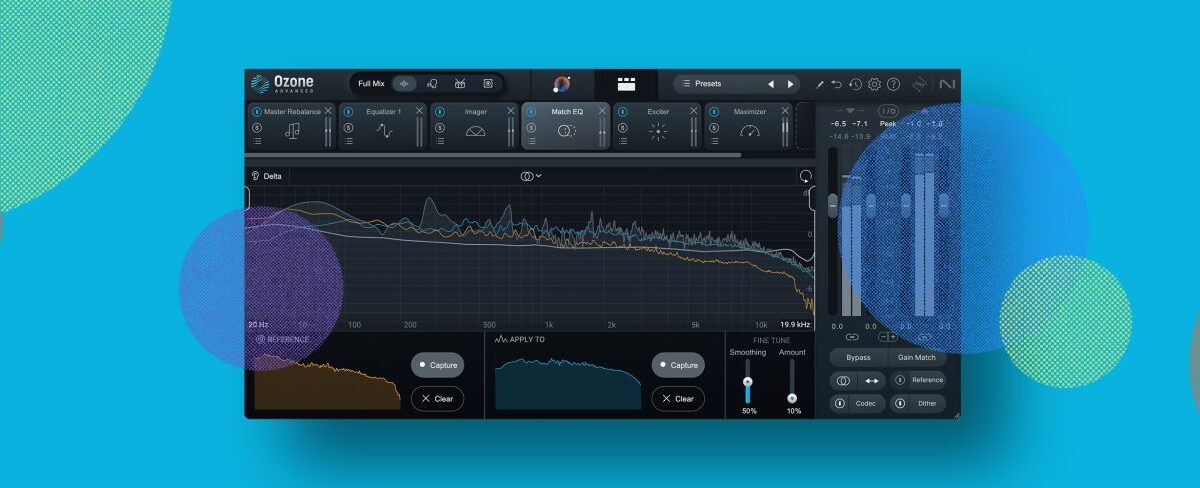
Ever spent hours crafting a track, only to hear it fall apart on other speakers? You’re not alone. The common mixing problems beginners overlook are often subtle—but they can destroy your sound. Let’s uncover the hidden traps and how to fix them fast.
1. Ignoring Gain Staging: The Silent Killer of Mix Clarity
:max_bytes(150000):strip_icc():focal(979x434:981x436)/common-9e718cc46ff746d98afec6c9129dc25b.jpg?w=1200)
One of the most common mixing problems beginners overlook is gain staging. It might sound technical, but it’s the foundation of a clean, professional mix. Without proper gain staging, your tracks clip, distort, or get lost in the mix before you even start EQing or compressing.
What Is Gain Staging?
Gain staging refers to setting optimal signal levels at every stage of your audio chain—from recording to output. The goal is to maintain a healthy signal-to-noise ratio while avoiding digital clipping. In digital audio workstations (DAWs), this means keeping peak levels around -18dBFS to -12dBFS on individual tracks and the master bus.
- Start with clean recordings: Ensure input levels during recording peak around -12dB to avoid clipping.
- Process with headroom: After applying plugins, keep output levels in check to prevent digital distortion.
- Leave room for mastering: Aim for a master output peaking at -6dB to allow space for final processing.
Why Beginners Fail at Gain Staging
New producers often crank up track volumes to make them sound louder early on. This leads to cascading clipping down the chain, especially when using gain-heavy plugins like saturation or compression. The result? A muddy, distorted mix that lacks dynamic range.
common mixing problems beginners overlook – Common mixing problems beginners overlook menjadi aspek penting yang dibahas di sini.
“If your mix sounds distorted even with all faders down, you’ve likely ignored gain staging.” — Mix engineer, Dave Moulton
According to Sound on Sound, improper gain staging is one of the top technical errors in home studios. The fix is simple: monitor your levels religiously and use gain plugins to adjust input/output levels at each stage.
2. Overlooking Phase Issues: When Sounds Cancel Each Other
Another of the common mixing problems beginners overlook is phase cancellation. This occurs when two similar audio signals are out of sync, causing frequencies to cancel each other out—especially in the low end. The result? A weak, thin-sounding mix that lacks punch.
Understanding Phase and Polarity
Phase refers to the timing alignment of sound waves. When two waveforms are perfectly in phase, they reinforce each other. But if one is delayed—even by milliseconds—they can interfere destructively. Polarity, often confused with phase, is a simple inversion of the waveform (positive becomes negative).
- Phase issues commonly occur when using multiple mics on one source (e.g., drum overheads and close mics).
- They also appear when layering samples or synths with similar waveforms.
- Polarity flips can help, but they don’t solve timing-based phase problems.
How to Detect and Fix Phase Problems
Use a phase correlation meter on your master bus. A reading near +1 means signals are in phase; near -1 indicates severe cancellation. You can also use the “mono compatibility” trick: solo your mix in mono. If the bass disappears or the sound collapses, you’ve got a phase issue.
common mixing problems beginners overlook – Common mixing problems beginners overlook menjadi aspek penting yang dibahas di sini.
Tools like Voxengo Correlometer or built-in DAW meters help visualize phase coherence. To fix:
- Align waveforms manually by zooming in and shifting tracks slightly.
- Use phase alignment plugins like SoundRadix Auto-Align.
- Flip polarity (phase invert) on one track if it improves low-end presence.
“Phase is not a myth—it’s physics. Ignore it, and your mix will never translate.” — Grammy-winning engineer, Chris Lord-Alge
3. Poor Monitoring Environment: The Invisible Enemy
Even with perfect technique, your mix can fail if your room lies to you. This is one of the most common mixing problems beginners overlook. A poor acoustic environment distorts frequency response, making bass sound weak or boomy and highs harsh or dull.
Why Room Acoustics Matter
Sound waves reflect, absorb, and resonate differently depending on room size, shape, and materials. Standing waves (room modes) amplify certain bass frequencies while nullifying others. This leads to mixes that sound great in your room but fall apart elsewhere.
- Untreated rooms often have bass buildup in corners and flutter echoes on hard surfaces.
- Desk reflections can color midrange frequencies, affecting vocal clarity.
- Asymmetrical setups cause stereo imaging issues.
Simple Fixes for Bedroom Studios
You don’t need a professional studio to improve your room. Start with these affordable solutions:
common mixing problems beginners overlook – Common mixing problems beginners overlook menjadi aspek penting yang dibahas di sini.
- Place bass traps in room corners to control low-end buildup.
- Add acoustic panels at first reflection points (use the mirror trick: sit in your mix position and have someone slide a mirror along the walls; where you see your monitors, place panels).
- Use a monitor isolation pad to decouple speakers from your desk.
- Position monitors in an equilateral triangle with your head, forming a “sweet spot.”
For deeper analysis, use a calibrated measurement microphone and software like Room EQ Wizard (REW) to map your room’s frequency response. This helps identify problem areas like bass nulls or resonant peaks.
“You can’t fix what you can’t hear. Your room is your first plugin.” — Bob Hodas, acoustician
4. Over-EQing: When More Is Less
EQ is powerful, but misuse leads to one of the common mixing problems beginners overlook: over-processing. New mixers often boost frequencies to make elements stand out, creating a harsh, unnatural sound. The truth? Subtraction often works better than addition.
The Problem with Boosting
Boosting frequencies increases the risk of masking and listener fatigue. For example, boosting 3-5kHz on vocals might make them “cut through,” but it can also make them piercing over time. Similarly, boosting low-mids on a guitar can muddy the entire mix.
- Boosting adds energy, which can lead to clipping and distortion.
- It often masks other instruments competing in the same frequency range.
- Over time, boosted frequencies fatigue the listener’s ears.
Use Subtractive EQ for Cleaner Results
Instead of boosting, try cutting unwanted frequencies first. For example:
common mixing problems beginners overlook – Common mixing problems beginners overlook menjadi aspek penting yang dibahas di sini.
- High-pass filter vocals at 80-100Hz to remove rumble.
- Reduce 200-400Hz on guitars to eliminate “mud.”
- Notch out 500-800Hz on synths if they sound boxy.
After cleaning, a small boost (1-3dB) can enhance presence. Tools like dynamic EQs (e.g., Waves F6) allow frequency-specific compression, giving control without harshness.
“If you think you need a 6dB boost, try a 3dB cut elsewhere first.” — Mixing engineer, Ian Shepherd
5. Neglecting Reference Tracks: Flying Blind
One of the most common mixing problems beginners overlook is not using reference tracks. Without them, you’re mixing in a vacuum, making subjective decisions that may not translate. Reference tracks act as a sonic blueprint for balance, frequency distribution, and dynamics.
How to Choose the Right Reference
Pick tracks in the same genre, with a similar mood and instrumentation. They should be commercially released and mastered to industry standards. Avoid using poorly mixed or lo-fi tracks as references.
- Use tools like Track Reference or Sadie Reference to compare spectral balance.
- Match loudness using LUFS meters (aim for similar integrated LUFS).
- Switch between your mix and the reference frequently during mixing.
What to Listen For
Don’t just play the reference—analyze it:
common mixing problems beginners overlook – Common mixing problems beginners overlook menjadi aspek penting yang dibahas di sini.
- How loud are the vocals compared to the drums?
- Where is the bass energy concentrated (80Hz vs 120Hz)?
- How wide is the stereo image?
- What’s the overall tonal balance (bright, warm, neutral)?
By comparing, you train your ears and make objective decisions. As Pro Tools Expert explains, reference tracks reduce guesswork and improve translation across systems.
“A reference track doesn’t tell you what to do—it tells you what’s possible.” — Mix engineer, Manny Marroquin
6. Overusing Compression: Crushing the Life Out of Your Mix
Compression is essential, but it’s also one of the common mixing problems beginners overlook due to misuse. New mixers often apply heavy compression to “control” dynamics, resulting in lifeless, fatiguing tracks with no punch.
Understanding Compression Parameters
Before dialing in settings, understand the core controls:
- Threshold: The level at which compression kicks in.
- Ratio: How much gain reduction is applied (e.g., 4:1 means 4dB over threshold = 1dB output).
- Attack: How fast the compressor reacts (fast attack tames transients; slow lets them through).
- Release: How quickly it stops compressing after the signal drops below threshold.
- Makeup Gain: Compensates for volume loss after compression.
Common Compression Mistakes
Beginners often make these errors:
common mixing problems beginners overlook – Common mixing problems beginners overlook menjadi aspek penting yang dibahas di sini.
- Using too high a ratio (e.g., 10:1 on vocals), making them sound robotic.
- Setting fast attack and release, causing “pumping” effects.
- Compressing every track, even those that don’t need it.
- Not A/B comparing with bypass to hear the actual impact.
The key is subtlety. Try 2:1 or 3:1 ratios for gentle leveling. Use slower attack on drums to preserve punch. And remember: compression should serve the music, not dominate it.
“If you can clearly hear the compressor working, it’s probably too much.” — Engineer, Andrew Scheps
7. Ignoring Stereo Imaging and Panning
Poor stereo placement is another of the common mixing problems beginners overlook. Many new producers keep everything in the center or randomly pan tracks without a plan, leading to a cluttered, unbalanced mix.
The Importance of a Balanced Stereo Field
A well-panned mix creates space, clarity, and realism. It allows each instrument to breathe and prevents frequency masking. The center channel typically holds vocals, kick, and bass—elements crucial for mono compatibility.
- Pan complementary instruments (e.g., rhythm guitars) left and right.
- Use slight panning (10-30%) for subtle width on backing vocals or synths.
- Avoid hard panning unless creatively intended.
Advanced Imaging Techniques
Go beyond basic panning with these tools:
common mixing problems beginners overlook – Common mixing problems beginners overlook menjadi aspek penting yang dibahas di sini.
- Mid/Side EQ: Shape the center (mid) and sides independently. For example, boost high-end sparkle on the sides while keeping mids clear.
- Imaging plugins: Tools like iZotope Ozone Imager or bx_control help visualize and control stereo width.
- Haas Effect: Delay one side by 5-30ms to create perceived width (use sparingly to avoid phase issues).
Always check your mix in mono to ensure critical elements remain audible and phase-coherent.
“Stereo isn’t just left and right—it’s depth, space, and emotion.” — Producer, Mark “Spike” Stent
8. Skipping the High-Pass Filter: Letting Mud In
One of the simplest yet most overlooked fixes is applying high-pass filters (HPF) to non-bass elements. This is a classic example of common mixing problems beginners overlook. Low-end rumble from vocals, guitars, or synths accumulates, muddying the mix and stealing headroom.
What Is a High-Pass Filter?
A high-pass filter removes frequencies below a set point. For example, setting a HPF at 100Hz on a vocal track eliminates subsonic noise and room vibrations that don’t contribute to intelligibility.
- Vocals: 80–120Hz
- Acoustic Guitar: 100–150Hz
- Snare: 100–120Hz
- Overheads: 200–300Hz (to reduce low-mid bleed)
- Keys/Synths: Varies, but often 100Hz+ unless they carry bass content
Benefits of High-Passing
Using HPFs strategically offers multiple advantages:
common mixing problems beginners overlook – Common mixing problems beginners overlook menjadi aspek penting yang dibahas di sini.
- Reduces low-frequency clutter and mud.
- Prevents phase cancellation in the bass range.
- Improves headroom on the master bus.
- Makes room for kick and bass to shine.
Don’t be afraid to go aggressive. As Disc Makers Blog notes, “If you can’t hear the difference when you engage the HPF, you’re not cutting enough.”
“Clean low end is the foundation of a pro mix.” — Mixing engineer, Fab Dupont
9. Not Taking Breaks: Ear Fatigue Sabotages Judgment
Perhaps the most human of the common mixing problems beginners overlook is ear fatigue. Your ears are muscles—they get tired. After 45–60 minutes of intense listening, your perception of frequency balance, dynamics, and stereo imaging degrades.
How Ear Fatigue Affects Mixing
When fatigued, you might:
- Boost highs because they sound dull.
- Over-compress to make things feel louder.
- Misjudge balance and make poor EQ decisions.
This leads to mixes that sound harsh or flat the next day.
common mixing problems beginners overlook – Common mixing problems beginners overlook menjadi aspek penting yang dibahas di sini.
Strategies to Combat Ear Fatigue
Protect your ears and your mix:
- Take a 10-minute break every 45–60 minutes.
- Lower monitoring volume (around 75–85 dB SPL is ideal).
- Use reference tracks during breaks to recalibrate your ears.
- Mix at different times of day to get fresh perspectives.
Consider using tools like Sonarworks Listen to simulate different listening environments and reduce fatigue.
“The best mix decisions are made with fresh ears.” — Engineer, Chris Athens
10. Failing to Check Mix Translation
Even if your mix sounds perfect in your studio, it might fail on phones, car systems, or earbuds. This is a critical common mixing problems beginners overlook. A mix that doesn’t translate lacks professionalism and reach.
Why Translation Matters
Different playback systems emphasize different frequencies. Car speakers boost bass, earbuds emphasize mids, and laptops lack low-end. If your mix isn’t tested across devices, it won’t connect with listeners.
common mixing problems beginners overlook – Common mixing problems beginners overlook menjadi aspek penting yang dibahas di sini.
- Check on iPhone/Android speakers and earbuds.
- Test in a car (especially for bass-heavy genres).
- Use consumer-grade Bluetooth speakers.
- Listen on a small mono speaker (like a kitchen radio) to check clarity.
Using Translation Tools
Plugins like SPL Meter or PA Decoder simulate how your mix sounds on various systems. These help identify issues before export.
As MusicRadar emphasizes, “A great mix isn’t just about your studio—it’s about everywhere it’s played.”
“If it doesn’t sound good on a phone, it doesn’t sound good.” — Producer, Rick Rubin
What are the most common mixing mistakes beginners make?
The most common mixing mistakes include poor gain staging, ignoring phase issues, mixing in an untreated room, over-EQing, skipping reference tracks, over-compressing, neglecting panning, forgetting high-pass filters, ear fatigue, and not checking mix translation across devices.
common mixing problems beginners overlook – Common mixing problems beginners overlook menjadi aspek penting yang dibahas di sini.
How can I improve my mixing skills fast?
Focus on fundamentals: learn gain staging, use reference tracks, treat your room, and take breaks. Practice A/B comparisons, use high-pass filters, and always check your mix on multiple systems. Consistent, mindful practice beats endless tweaking.
Why does my mix sound muddy?
Muddy mixes usually result from low-frequency buildup, poor EQ choices, phase cancellation, or too many elements competing in the 200–500Hz range. Apply high-pass filters, use subtractive EQ, check phase alignment, and simplify your arrangement.
common mixing problems beginners overlook – Common mixing problems beginners overlook menjadi aspek penting yang dibahas di sini.
Should I mix in mono or stereo?
Mix primarily in stereo, but frequently check in mono to catch phase issues and ensure core elements (kick, bass, vocals) remain clear. Mono compatibility is crucial for club systems and mobile playback.
How loud should my mix be before mastering?
Your mix should peak around -6dB on the master bus, with headroom for mastering. Avoid clipping or heavy limiting. Aim for an integrated LUFS between -14 and -10, depending on genre.
common mixing problems beginners overlook – Common mixing problems beginners overlook menjadi aspek penting yang dibahas di sini.
Fixing the common mixing problems beginners overlook isn’t about expensive gear—it’s about awareness and discipline. From gain staging to room treatment, from EQ to ear fatigue, each step builds a stronger foundation. Master these hidden pitfalls, and your mixes will not only sound better—they’ll translate, impress, and endure. The path to pro-level mixing starts with seeing what others miss.
Recommended for you 👇
Further Reading: