
 Tahlia Tsama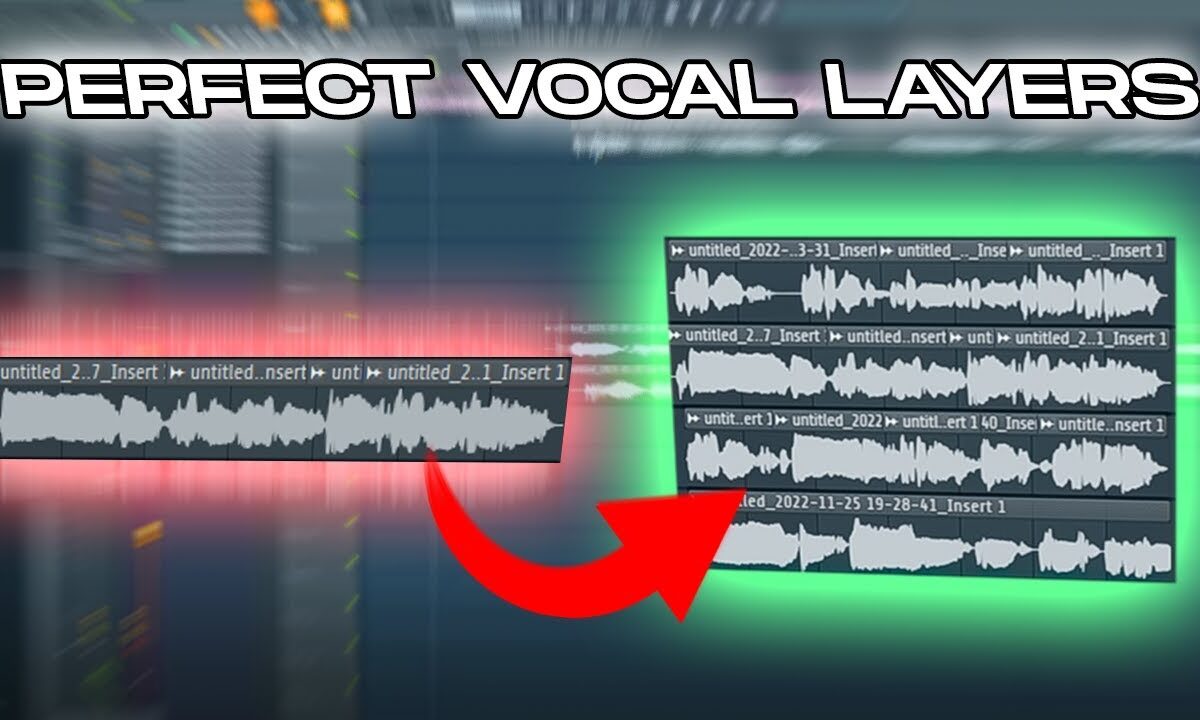
Ever wonder why some vocal tracks sound rich, wide, and almost cinematic? The secret lies in layering vocals for a fuller sound—more than just doubling, it’s an art form used by top producers to create depth, warmth, and emotional impact.
Understanding the Power of Layering Vocals for a Fuller Sound

Layering vocals isn’t just about recording the same line twice—it’s a strategic technique used to enhance presence, texture, and spatial dimension in a mix. When done right, vocal layering transforms a flat, one-dimensional lead into a lush, immersive experience that commands attention.
What Is Vocal Layering?
Vocal layering involves recording multiple takes of the same vocal part—such as the lead melody, harmonies, or ad-libs—and blending them together in the mix. These layers can be identical (doubles), slightly varied (triples), or entirely different (harmonies, octaves, counter-melodies).
- Lead doubles: Matching the main vocal line for thickness.
- Harmony layers: Supporting chords or intervals above or below the lead.
- Ad-libs and fills: Spontaneous vocal embellishments that add character.
According to Sound on Sound, professional vocal production often involves 10–20 vocal tracks per song, all carefully layered for maximum impact.
layering vocals for a fuller sound – Layering vocals for a fuller sound menjadi aspek penting yang dibahas di sini.
Why Layering Vocals for a Fuller Sound Works
The human ear perceives layered vocals as more present and emotionally engaging. This is due to psychoacoustic principles—when multiple slightly different performances of the same phrase are played together, they create a natural chorus effect.
- Increased perceived loudness without boosting volume.
- Enhanced stereo width when panned strategically.
- Greater emotional resonance through subtle performance variations.
“A single vocal can feel lonely in a mix. Layering fills the sonic space and gives the voice a body.” — Chris Lord-Alge, Grammy-winning mixing engineer
Essential Techniques for Effective Vocal Layering
To achieve professional results when layering vocals for a fuller sound, you need more than just multiple recordings. It’s about precision, timing, and intentionality in every layer you add.
1. Record Multiple Takes (Doubles and Triples)
The foundation of vocal layering is recording several takes of the same vocal line. Aim for at least two, preferably three, clean performances of your lead vocal.
- Keep the original take as your anchor.
- Record new takes with the same mic and settings to maintain tonal consistency.
- Encourage slight performance variations—don’t aim for robotic perfection.
These natural inconsistencies between takes create phase interactions that result in a thicker, more organic sound. As explained by Pro Tools Expert, even 5–10 milliseconds of timing difference between layers can significantly enhance fullness.
layering vocals for a fuller sound – Layering vocals for a fuller sound menjadi aspek penting yang dibahas di sini.
2. Use Harmonies Strategically
Harmonies are not just for choirs—they’re a powerful tool when layering vocals for a fuller sound. They support the melody and add harmonic richness.
- Common intervals: Thirds, fifths, and sixths above or below the lead.
- Use close harmonies for intimacy, wide harmonies for drama.
- Record harmonies in sections (verse, chorus, bridge) to match emotional intensity.
In pop and rock music, harmonies often follow the chord progression. For example, if the chord is C major, the harmony might sit on E (third) or G (fifth). Tools like Melodyne or Auto-Tune can help tune harmonies precisely while preserving natural expression.
3. Add Octave Layers for Depth
One of the most effective ways to add weight and dimension is by layering vocals an octave above or below the main melody.
- Octave-up layers: Add brightness and air—great for choruses.
- Octave-down layers: Add power and warmth—ideal for male vocals or heavy genres.
- Use sparingly to avoid muddiness in the low end.
Artists like Billie Eilish and The Weeknd use octave layering extensively to create their signature ethereal and haunting vocal textures. A well-placed octave layer can make a vocal cut through dense mixes without increasing volume.
layering vocals for a fuller sound – Layering vocals for a fuller sound menjadi aspek penting yang dibahas di sini.
Advanced Vocal Layering Techniques Used by Pros
Once you’ve mastered the basics, it’s time to explore advanced techniques that take layering vocals for a fuller sound to the next level. These methods are used in major label productions and can dramatically elevate your mixes.
1. The Haas Effect for Stereo Width
The Haas Effect (or precedence effect) is a psychoacoustic phenomenon where a delayed copy of a sound (up to 40ms) is perceived as part of the original, creating a sense of space.
- Copy your lead vocal to a second track.
- Delay it by 10–30ms using a plugin like Soundtoys Little AlterBoy or stock delay.
- Pan the original to one side and the delayed copy to the other.
This technique widens the vocal without using reverb, preserving clarity. However, always check in mono to ensure phase cancellation doesn’t weaken the center image.
2. Formant Shifting for Unique Textures
Formant shifting alters the vocal timbre without changing pitch, allowing you to create layers that sound like different singers.
layering vocals for a fuller sound – Layering vocals for a fuller sound menjadi aspek penting yang dibahas di sini.
- Raise formants slightly (+1 to +3) for a brighter, younger tone.
- Lower formants (-1 to -3) for a darker, deeper character.
- Blend with the original for a hybrid vocal texture.
Plugins like Soundtoys Little AlterBoy or Antares Vocalign Flex offer formant control, making it easy to experiment. This technique is widely used in electronic and hip-hop music to create robotic or otherworldly vocal effects.
3. Vocal Stacking with Different Timbres
Instead of using the same microphone for every layer, try recording some takes with different mics or settings.
- Use a dynamic mic (like SM7B) for a warm, gritty layer.
- Use a condenser mic (like Neumann U87) for clarity and detail.
- Blend both to create a composite vocal with both warmth and sparkle.
This approach mimics how real choirs sound—no two voices are identical. The contrast in timbre adds complexity and realism to your layered vocals.
Timing, Tuning, and Alignment in Vocal Layering
No matter how many layers you record, poor timing and tuning will undermine your efforts at layering vocals for a fuller sound. Precision is key.
layering vocals for a fuller sound – Layering vocals for a fuller sound menjadi aspek penting yang dibahas di sini.
1. Aligning Vocal Takes Manually
Even the best singers don’t hit every word perfectly in sync across takes. Manual alignment ensures all layers lock together.
- Zoom in on transients (consonants like ‘t’, ‘d’, ‘p’).
- Use slip editing or nudge tools to align key syllables.
- Leave slight variations on sustained vowels for naturalism.
Most DAWs (Digital Audio Workstations) like Pro Tools, Logic Pro, or Ableton Live offer sample-accurate editing tools. Take your time—this step can make or break the cohesion of your layers.
2. Using Auto-Tune and Melodyne Effectively
While some purists avoid pitch correction, modern vocal production almost always involves some tuning—especially with layered vocals.
- Correct major pitch errors in each layer individually.
- Use natural retune speed settings to avoid the ‘robot voice’ effect.
- Preserve vibrato and subtle pitch variations for emotion.
As Avid, makers of Pro Tools and Auto-Tune, note, modern pitch correction tools are designed to be transparent when used correctly. The goal isn’t perfection—it’s consistency across layers.
layering vocals for a fuller sound – Layering vocals for a fuller sound menjadi aspek penting yang dibahas di sini.
3. Managing Phase Issues Between Layers
When two similar audio signals are combined, phase cancellation can occur—especially if they’re slightly out of sync or recorded with different polar patterns.
- Use a phase correlation meter to monitor stereo stability.
- Flip phase on one track if the combined sound becomes thin.
- Apply slight delays (1–5ms) to align waveforms more precisely.
“Phase is the silent killer of vocal fullness. Always check your layers in mono.” — Mix engineer Manny Marroquin
Processing and Mixing Layered Vocals
Recording great layers is only half the battle. The real magic happens in the mix, where you shape, balance, and blend your layered vocals for a fuller sound.
1. EQ Strategies for Layered Vocals
Equalization is crucial to prevent frequency masking and ensure each layer has its own space.
- High-pass filter all non-lead layers to remove rumble (80–100Hz).
- Boost presence (3–5kHz) on the lead vocal for clarity.
- Cut muddy frequencies (200–400Hz) on doubles to reduce clutter.
Try using subtractive EQ on supporting layers—cut where the lead vocal sits strong. This creates a ‘hole’ for the lead to shine through, making the entire stack sound clearer.
layering vocals for a fuller sound – Layering vocals for a fuller sound menjadi aspek penting yang dibahas di sini.
2. Compression for Consistency
Layered vocals often have inconsistent dynamics. Compression smooths out volume fluctuations and helps the stack sit evenly in the mix.
- Use gentle compression (2:1 to 4:1 ratio) on individual layers.
- Apply bus compression on the vocal group for cohesion.
- Parallel compression can add punch without squashing dynamics.
For example, using an 1176-style compressor in parallel can add aggressive character to rock vocals, while an LA-2A works beautifully for smooth, transparent leveling in pop.
3. Reverb and Delay for Dimension
Reverb and delay are essential for placing your layered vocals in a sonic space.
- Use a shared reverb send to glue layers together.
- Short plate reverbs work well for pop; halls for cinematic tracks.
- Delay throws can emphasize key phrases or ad-libs.
Try using pre-delay (30–50ms) to keep vocals clear while still sounding spacious. As Waves Audio suggests, using the same reverb across all vocal layers enhances cohesion, making them sound like they exist in the same room.
layering vocals for a fuller sound – Layering vocals for a fuller sound menjadi aspek penting yang dibahas di sini.
Creative Applications of Layering Vocals for a Fuller Sound
Vocal layering isn’t just for pop ballads. It’s a versatile technique used across genres to create signature sounds.
1. Pop and Rock: The Wall of Sound
Producers like Phil Spector and Max Martin pioneered the ‘wall of sound’ approach, using massive vocal stacks to create anthemic choruses.
- Layer lead vocals 3–5 times with slight variations.
- Add harmonies in thirds and fifths.
- Pan harmonies wide, keep lead centered.
Listen to songs like “Wanna Be Startin’ Somethin’” by Michael Jackson or “Since U Been Gone” by Kelly Clarkson—these tracks use dense vocal layering to create explosive, radio-ready choruses.
2. Hip-Hop and R&B: Ad-Libs and Texture
In hip-hop and R&B, layering is often used for ad-libs, call-and-response, and atmospheric textures.
layering vocals for a fuller sound – Layering vocals for a fuller sound menjadi aspek penting yang dibahas di sini.
- Record multiple ad-lib takes and place them behind the main vocal.
- Use pitch-shifted doubles for ghostly effects.
- Layer whispered phrases for intimacy.
Artists like Drake and SZA use layered ad-libs to fill space and add emotional nuance. These layers are often low in the mix but crucial for the overall vibe.
3. Electronic and EDM: Vocal Chopping and Processing
In electronic music, vocal layers are often chopped, reversed, and heavily processed.
- Use slices of vocal phrases as rhythmic elements.
- Apply stutter effects, granular synthesis, or formant filters.
- Layer processed vocals with clean ones for contrast.
Producers like Flume and ODESZA use vocal layering not just for melody, but as sound design elements that drive the entire track.
Common Mistakes to Avoid When Layering Vocals
Even experienced producers can fall into traps when layering vocals for a fuller sound. Avoiding these pitfalls will save you time and improve your results.
layering vocals for a fuller sound – Layering vocals for a fuller sound menjadi aspek penting yang dibahas di sini.
1. Over-Layering and Muddiness
More isn’t always better. Too many layers can clutter the mix and make vocals indistinct.
- Limit lead doubles to 2–4 tracks.
- Use high-pass filters aggressively on supporting layers.
- Always solo the vocal group to check clarity.
If your vocal stack sounds thick but unclear, you’ve likely over-layered. Less can be more—focus on quality over quantity.
2. Ignoring Vocal Performance Nuance
Robotic, perfectly aligned vocals can sound lifeless. The human ear loves subtle imperfections.
- Preserve natural breaths and dynamics.
- Allow slight timing variations between layers.
- Don’t over-compress or over-tune.
As legendary producer Rick Rubin said, “Perfection is overrated. Emotion is everything.” Let the singer’s personality shine through.
layering vocals for a fuller sound – Layering vocals for a fuller sound menjadi aspek penting yang dibahas di sini.
3. Poor Panning and Stereo Imaging
Mismanaged panning can make vocals sound disjointed or cause phase issues.
- Keep the lead vocal centered.
- Pan harmony layers 20–50% left and right.
- Avoid hard panning unless creatively intended.
Always check your mix in mono—especially for broadcast or club playback—where phase cancellation can make vocals disappear.
Tools and Plugins for Mastering Vocal Layering
The right tools can streamline your workflow and enhance the quality of your layered vocals.
1. Pitch and Time Correction Software
Accurate tuning and alignment are non-negotiable in professional vocal production.
layering vocals for a fuller sound – Layering vocals for a fuller sound menjadi aspek penting yang dibahas di sini.
- Antares Auto-Tune Pro: Industry standard for pitch correction.
- Celemony Melodyne: Offers note-level editing and formant control.
- Waves Tune Real-Time: Great for quick fixes during tracking.
These tools allow you to correct pitch and timing across multiple layers while preserving natural expression.
2. Vocal Layering and Doubling Plugins
Some plugins simulate the effect of multiple vocal takes without requiring endless recording.
- Soundtoys Little AlterBoy: Combines pitch, formant, and harmonization.
- Waves Reel ADT: Emulates analog tape doubling.
- iZotope VocalSynth 2: Creates robotic, harmonized, and layered vocal effects.
While not a replacement for real doubles, these plugins are excellent for adding texture and saving time.
3. Reverb and Spatial Effects
Creating a cohesive space for your layered vocals is essential.
layering vocals for a fuller sound – Layering vocals for a fuller sound menjadi aspek penting yang dibahas di sini.
- Valhalla VintageVerb: Affordable, high-quality reverb with rich textures.
- Lexicon PCM Native Reverb Bundle: Legendary studio reverb emulations.
- Exponential Audio R2 / R4: Advanced reverb with deep control over early reflections and decay.
Using a single reverb send for all vocal layers helps glue them together and makes them sound like they inhabit the same acoustic environment.
What is the best number of vocal layers for a fuller sound?
There’s no fixed number, but 2–4 well-recorded doubles plus 1–2 harmony layers are usually sufficient. The key is quality, not quantity—each layer should serve a purpose and be clearly audible in the mix.
Should I use the same microphone for all vocal layers?
layering vocals for a fuller sound – Layering vocals for a fuller sound menjadi aspek penting yang dibahas di sini.
For consistency, yes—especially for lead doubles. However, using different mics for different layers (e.g., dynamic for warmth, condenser for clarity) can add interesting texture, as long as tonal balance is managed in the mix.
How do I avoid phase cancellation when layering vocals?
Align takes carefully, use phase correlation meters, and check your mix in mono. If layers sound thin when summed to mono, adjust timing by a few milliseconds or flip the phase on one track.
Can I layer vocals without singing multiple times?
Yes—plugins like Waves Reel ADT or Soundtoys MicroShift can simulate doubling. However, real performances always sound more natural and emotionally engaging.
How do I make layered vocals sound cohesive?
Use shared processing (reverb, delay, compression), align timing, tune pitch consistently, and EQ layers to complement each other. Think of your vocal stack as a single instrument that needs to be balanced as a whole.
Layering vocals for a fuller sound is both a technical and artistic process. From recording multiple takes to harmonizing, aligning, and processing, each step contributes to a richer, more powerful vocal presence. By mastering the techniques outlined—from the Haas Effect to formant shifting and strategic EQ—you can transform thin, lifeless vocals into a commanding centerpiece. Avoid common pitfalls like over-layering and phase issues, and use the right tools to streamline your workflow. Whether you’re producing pop anthems, hip-hop tracks, or electronic soundscapes, vocal layering is a proven method to elevate your music. Start experimenting today and discover how a few well-crafted layers can make all the difference.
Recommended for you 👇
Further Reading: